














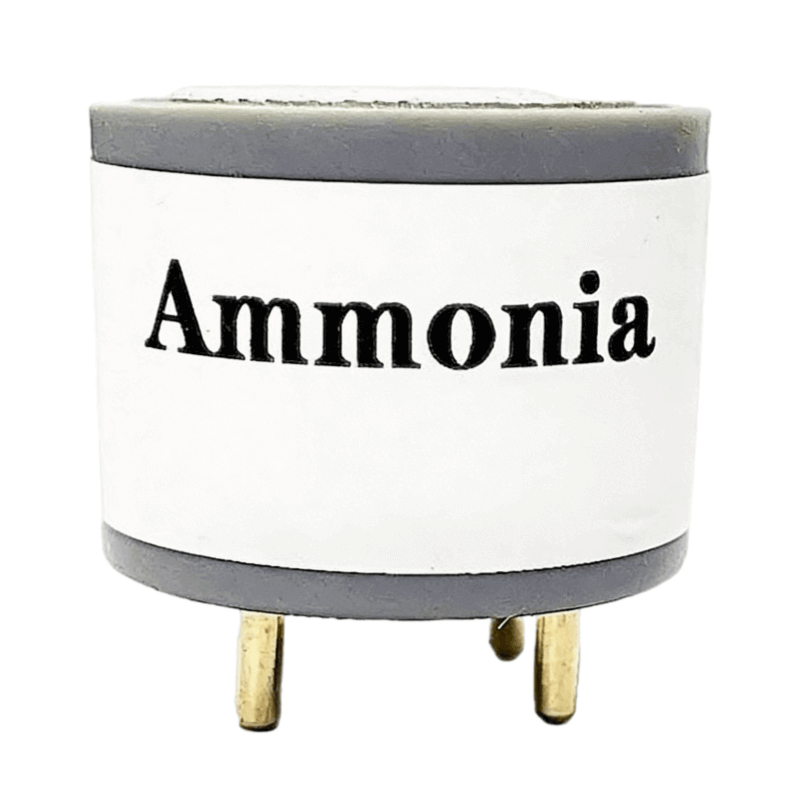
Ammonia (NH3) Sensor – Precision Gas Detection for Safety, Agriculture & IoT
Product Description
The Ammonia (NH₃) Sensor is a high-performance, industrial-grade gas detection module engineered for accurate, real-time monitoring of ammonia concentrations in diverse environments. Ammonia leaks or high concentrations can pose significant health risks and operational inefficiencies; our sensor provides the critical data needed to maintain safety and compliance.
Utilizing advanced electrochemical sensing technology, this sensor offers superior sensitivity and selectivity compared to standard MOS sensors. It is designed for seamless integration with IoT controllers, PLC systems, and wireless modules (like ESP32/LoRaWAN), making it an essential component for smart agriculture, chemical processing, and hazardous leak detection. With factory-calibrated precision and a robust anti-interference design, it ensures dependable performance even in harsh, high-humidity environments like poultry farms or cold storage.
Key Advantages of Our Ammonia (NH3) Sensor
- High accuracy electrochemical ammonia detection for reliable performance
- Wide detection range (0–100 ppm or customizable as required)
- Typical accuracy ±2% full scale, fast response within seconds
- Compatible signal outputs (analog voltage, UART, or I²C available)
- Robust temperature and humidity compensation for stable data
- Easy integration with IoT devices, PLCs, and wireless gateways
- Long lifespan and low drift (<1% per year typical)
- Compact design for seamless installation in monitoring systems or OEM applications
- Low power consumption suitable for continuous monitoring
- RoHS compliant, ready for industrial and environmental deployment
Ammonia (NH3) Sensor Specifications
| Parameter | Specification |
|---|---|
| Sensor Type | Electrochemical or Semiconductor-based NH₃ Gas Sensor |
| Detection Range | 0 – 100 ppm (extendable to 500 ppm) |
| Accuracy | ±2% FS (typical) |
| Response Time (T90) | < 30 seconds |
| Operating Voltage | 3.3V – 5V DC |
| Output Type | Analog Voltage / UART / I²C |
| Operating Temperature | –10°C to +50°C |
| Operating Humidity | 15–90% RH (non-condensing) |
| Warm-up Time | < 2 minutes |
| Current Consumption | ≤ 10 mA |
| Long-Term Stability | <1% signal loss per year |
| Calibration | Factory calibrated |
| Compliance | RoHS, CE certified |
| Packaging Options | Bare sensor or assembled module |
Typical Applications of Ammonia (NH3) Sensor
Industrial Safety & Environmental Monitoring
- Leak detection in ammonia refrigeration and storage facilities
- Workplace safety monitoring for chemical and fertilizer plants
- Air quality measurement in manufacturing and warehousing environments
Agriculture & Livestock Monitoring
- Continuous NH₃ monitoring in poultry and livestock barns
- Odor control systems and manure management
- Smart ventilation systems in greenhouses and barns
Smart Home & IoT Applications
- Indoor air quality detection and smart ventilation control
- IoT-enabled environmental monitoring kits and dashboards
- Connected sensors for smart farming and air purification devices
HVAC & Refrigeration Systems
- Ammonia leak detection and prevention in chillers and cold rooms
- Integration into predictive maintenance systems for HVAC units
FAQ
1. How does the sensor handle high-humidity environments like poultry farms?
Our NH₃ sensor features a specialized anti-condensation and anti-corrosion design. While many sensors fail due to moisture buildup in livestock settings, ours uses a high-performance electrochemical cell and a protective filter to maintain accuracy even in non-condensing high-humidity conditions (15% – 90% RH).
2. What is the typical lifespan and how often does it need calibration?
This sensor is designed for a lifespan of over three years and can be used under normal operating conditions. It is manufactured using low-drift technology (drift of less than 1% per year) and only requires professional calibration every 6-12 months, which can significantly reduce maintenance costs and downtime.
3. Can this sensor detect low-level leaks before they become dangerous?
Yes. With a high sensitivity of 0.1 ppm, the sensor is capable of early leak detection. This is critical for industrial refrigeration and chemical storage, where catching a minor leak early can prevent health hazards and expensive stock loss.
4. Does the sensor react to other gases (Cross-Interference)?
Electrochemical technology provides superior selectivity. While no sensor is 100% immune, our NH₃ sensor is engineered to minimize interference from common gases like CO, H2, and CH4. This ensures your alarms only trigger when ammonia is truly present, preventing “ghost” alerts.
5. Is it compatible with my existing IoT or PLC system?
Absolutely. We provide multiple output options including Analog (Voltage/Current), UART (TTL), and I²C. This versatility makes it “plug-and-play” for developers using Arduino/ESP32 as well as industrial engineers using standard PLC controllers.
6. How does the sensor perform in extreme cold (Cold Storage)?
Unlike standard sensors that drift in the cold, our module includes internal temperature compensation. It maintains stable and reliable readings from –10°C to +50°C, making it ideal for ammonia-based refrigeration monitoring.
7. What happens if there is a sudden high-concentration gas surge?
The sensor is built with a robust anti-overload design. It can withstand gas concentrations 10 to 20 times its rated range (overload) without permanent damage to the sensing element, ensuring it survives accidental high-exposure events.
Related Gas Sensors
Friendly Link: