















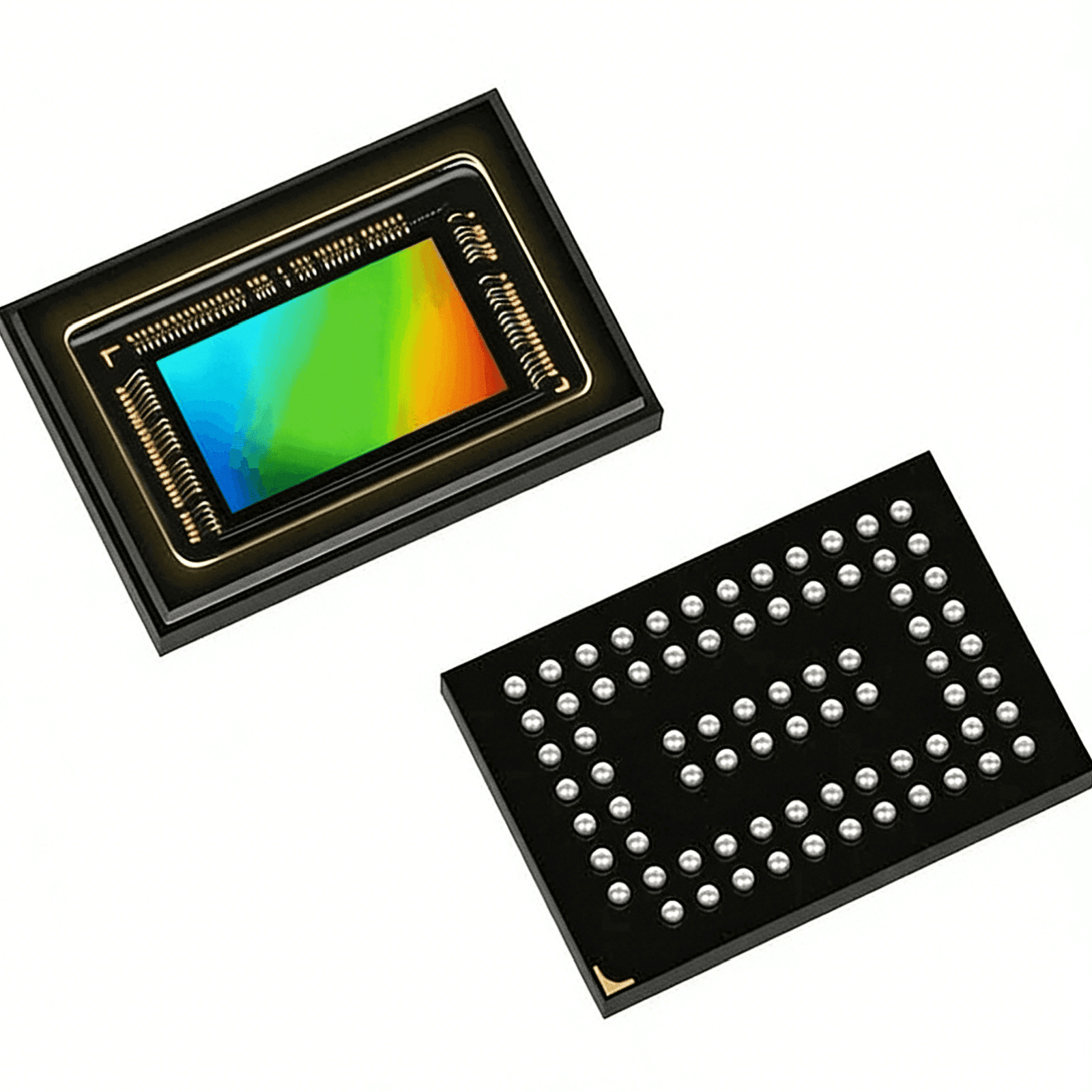
High-Performance CMOS Image Sensor – Ultra-Clear, Low-Noise Imaging for Smart Cameras & Vision Systems
Product Description
CMOS Image Sensor is a high-performance, low-power imaging device engineered for precision optical applications across industrial, consumer, and embedded systems. Using advanced CMOS process technology, it combines high sensitivity, ultra-low noise, and fast frame rates to deliver superior image quality under various lighting conditions.
Unlike traditional CCD sensors, this CMOS sensor offers lower power consumption, digital output compatibility, and excellent integration for compact camera designs. It’s widely used in smart surveillance cameras, robotics, drones, automotive vision systems, and embedded imaging modules.
Factory-calibrated with consistent quality, the sensor ensures stable performance and accurate color rendering — enabling engineers and developers to rapidly build efficient, high-quality imaging systems for real-world environments.
Advantages of CMOS Image Sensor
High-resolution imaging for precise visual capture
Low-noise performance for clear images in low light
Fast frame rate up to 120 fps (model-dependent)
Global shutter or rolling shutter options for flexible integration
Compact, lightweight design suitable for embedded systems
Wide operating temperature range for industrial and outdoor use
Low power consumption for battery-operated or portable devices
Standard interfaces: MIPI, LVDS, or parallel output
Factory-calibrated for consistent performance and color fidelity
RoHS compliant, ready for worldwide distribution
CMOS Image Sensor Specifications
| Parameter | Specification |
|---|---|
| Sensor Type | High-Resolution CMOS Image Sensor |
| Resolution | Up to 12 MP (model-dependent) |
| Pixel Size | 1.4 µm – 2.8 µm (depending on model) |
| Frame Rate | 30–120 FPS (model-dependent) |
| Shutter Type | Rolling Shutter / Global Shutter |
| Output Interface | MIPI, LVDS, Parallel |
| Dynamic Range | ≥ 70 dB (typical) |
| Operating Voltage | 1.8V – 3.3V |
| Operating Temperature | –20°C to +70°C |
| Noise | Low readout noise <2 e⁻ rms |
| Calibration | Factory calibrated |
| Packaging Options | Bare die, module, or board-level sensor |
| Compliance | RoHS compliant |
Typical Applications of CMOS Image Sensor
Industrial & Machine Vision
Automated inspection and quality control
Barcode, OCR, and surface defect detection
Robotics and factory automation cameras
Consumer Electronics
Digital cameras, action cameras, and webcams
Drones and UAV imaging systems
Smartphones and portable imaging devices
Automotive & Security
ADAS camera modules for driver assistance
Surveillance and security cameras
Traffic monitoring and vehicle vision systems
DIY & Developer Projects
Raspberry Pi, Arduino, and embedded vision prototypes
AI and computer vision projects
Smart home or IoT imaging applications
FAQs
1. What is a CMOS image sensor?
A CMOS image sensor converts light into electronic signals using complementary metal-oxide-semiconductor technology. It captures images with high efficiency and low power consumption.
2. How does CMOS differ from CCD sensors?
Compared to CCD, CMOS sensors consume less power, offer higher readout speeds, and integrate on-chip processing, making them more suitable for compact and portable devices.
3. Can the CMOS sensor work in low-light environments?
Yes. Advanced back-side illumination (BSI) and low-noise circuitry ensure clear image capture even under dim lighting.
4. What output interfaces are supported?
The sensor supports MIPI CSI-2, DVP, LVDS, and parallel interfaces for easy integration with microcontrollers, SoCs, and FPGAs.
5. Is it suitable for industrial or automotive use?
Absolutely. Many models are designed for high-temperature resilience and long-term stability in industrial and automotive imaging systems.
6. Can it be used with Raspberry Pi, ESP32, or Arduino?
Yes, certain module versions include breakout boards for DIY and prototyping platforms.
7. What is the typical lifespan of a CMOS image sensor?
When operated within the recommended voltage and temperature ranges, the lifespan typically exceeds 10 years of continuous use.
8. Does it support HDR or global shutter?
Select models provide HDR imaging or global shutter options for enhanced motion capture and brightness balance.
Related Vision Sensors Products:
You may also be interested in the following vision sensors for automation and smart systems:
| Smart Vision Sensor |
| Machine Vision Sensor |
| 2D Vision Sensor |
| 3D Vision Sensor |
| AI Vision Sensor |
| Robotic Vision Sensor |
| Dynamic Vision Sensor |
| Stereo Vision Sensor |
| Color Image Sensor |
Friendly Link: