















Arduino Photoelectric Sensor, Photoelectric Sensor
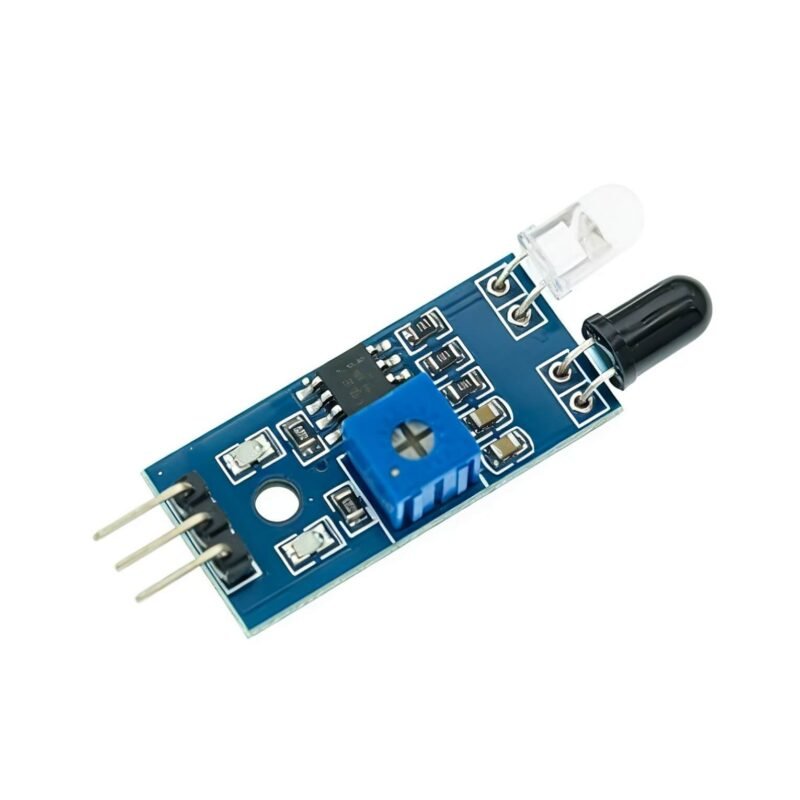
Arduino Photoelectric Sensor, Photoelectric Sensor
Key Features
- Reliable non-contact object detection for Arduino and embedded control projects
- Compatible with Arduino Uno, Nano, Mega, ESP32, and ESP8266 boards
- Fast response speed for real-time sensing and switching applications
- Stable digital output enables easy integration into automation logic systems
- Compact module design fits space-limited electronics and sensor assemblies
- Low power consumption supports portable and battery-powered device development
- Typical sensing range from 2 cm to 30 cm, model dependent
- Suitable for object counting, positioning, obstacle detection, and presence sensing
- Factory-tested quality ensures consistent performance in batch deployment projects
- OEM customization available for cable, connector, housing, and private labeling
- sales@connector-sensor.com
- +86 15120067961
Arduino Photoelectric Sensor – Reliable Object Detection Sensor for Arduino Projects & Industrial Automation
Product Description
Arduino Photoelectric Sensor is a compact and reliable sensing solution designed for object detection, distance sensing, counting, and position monitoring in Arduino-based electronics projects and light industrial automation systems. It uses photoelectric detection technology to identify the presence or absence of objects without direct mechanical contact, helping improve system responsiveness, accuracy, and long-term durability.
Our Arduino-compatible photoelectric sensor is engineered for easy integration with Arduino Uno, Nano, Mega, ESP32, ESP8266, and other microcontroller platforms. It offers fast response speed, stable switching output, and simple wiring, making it suitable for developers, OEM buyers, educational kit suppliers, and automation equipment integrators.
Built for both prototype development and volume deployment, the sensor supports applications ranging from smart robotics, conveyor counting, automatic doors, DIY automation, packaging systems, and industrial presence detection. Its robust sensing performance helps customers reduce false triggers, improve detection consistency, and shorten development cycles.
Advantages of Arduino Photoelectric Sensor
- Reliable non-contact object detection for Arduino and embedded control systems
- Compatible with major development boards, including Arduino Uno, Nano, Mega, and ESP32
- Fast response time for real-time sensing and control applications
- Stable digital output for easy integration into automation logic
- Compact structure for space-limited device installations
- Available in diffuse, reflective, or through-beam sensing configurations
- Low power consumption suitable for portable and embedded electronics projects
- Easy installation and wiring, ideal for prototyping and production deployment
- High repeatability for counting, positioning, and object presence detection
- Suitable for OEM/ODM customization and bulk supply for B2B customers
- Consistent factory quality control for long-term project reliability
- RoHS-compliant materials for international market requirements
Arduino Photoelectric Sensor Specifications
| Parameter | Specification |
|---|---|
| Product Name | Arduino Photoelectric Sensor |
| Sensor Type | Photoelectric Object Detection Sensor |
| Detection Method | Infrared / Optical Detection |
| Output Type | Digital Switching Output |
| Compatible Platforms | Arduino Uno / Nano / Mega / ESP32 / ESP8266 / MCU Boards |
| Operating Voltage | 3.3V – 5V DC |
| Current Consumption | ≤ 20 mA (typical) |
| Detection Distance | 2 cm – 30 cm (depending on model and target) |
| Response Time | ≤ 2 ms (typical) |
| Light Source | Infrared LED |
| Output Signal | High / Low Level |
| Sensing Mode | Diffuse Reflective / Reflective / Through-Beam (optional) |
| Detection Object | Opaque Objects / Moving Parts / Packaging / Components |
| Housing Material | ABS / PC Industrial Plastic |
| Mounting Type | Bracket / Screw Mount / Module Mount |
| Cable / Interface | Pin Header / Cable Lead / JST Connector (optional) |
| Operating Temperature | –10°C to +55°C |
| Protection Level | Standard / Customizable by version |
| Calibration | Factory tested |
| Compliance | RoHS |
Typical Applications of Arduino Photoelectric Sensor
Smart Electronics & Arduino Projects
- Object detection in Arduino robotics and automation systems
- DIY smart devices requiring presence or obstacle sensing
- Trigger input for interactive electronics projects
- Motion or item sensing for student and educational development kits
Industrial Automation & Equipment Integration
- Conveyor object counting and item passing detection
- Position monitoring in light industrial machinery
- Presence sensing in packaging, sorting, and assembly systems
- Automated start/stop control in small equipment setups
Smart Home & Consumer Devices
- Sensor input for automatic lighting or smart appliance triggers
- Non-contact detection for cabinet, door, and access control systems
- Embedded detection modules for compact smart hardware
OEM Product Development
- Integration into custom electronics modules
- Use in sensor kits, STEM learning products, and controller boards
- Detection support for prototype-to-production projects
FAQ
1. What is an Arduino photoelectric sensor used for?
An Arduino photoelectric sensor is used for non-contact object detection, counting, positioning, and presence sensing in Arduino-based electronics, automation systems, robotics, and DIY projects.
2. Is this sensor compatible with Arduino Uno and other development boards?
Yes, this sensor is typically compatible with Arduino Uno, Nano, Mega, ESP32, ESP8266, and many other microcontroller platforms that support digital signal input.
3. Does the sensor provide analog or digital output?
Most Arduino photoelectric sensors provide a digital high/low output, making them easy to connect and program for object detection and switching applications.
4. What is the typical sensing distance?
The sensing distance usually ranges from 2 cm to 30 cm, depending on the sensor model, target object color, surface reflectivity, and installation environment.
5. Can this sensor detect black or transparent objects?
Detection performance may vary depending on the target material, color, and transparency. For black, glossy, or transparent objects, we recommend selecting the proper sensing type or requesting technical guidance before purchase.
6. Is this sensor suitable for industrial automation projects?
Yes, it can be used in light industrial automation, conveyor systems, packaging equipment, and counting applications, especially where compact size and easy controller integration are required.
Related Sensor Products
- Infrared Proximity Sensor
- Reflective Photoelectric Sensor
- Through-Beam Photoelectric Sensor
- Retro-Reflective Photoelectric Sensor
Send Message to get Datasheet.
Strict Production Process
Engineers develop optimized electronic circuits and structural designs based on real application needs.
High-quality components and materials are carefully selected from trusted suppliers to ensure long-term reliability.
Automated SMT and precision soldering technologies are used to build stable and high-performance circuit boards.
Sensor elements or connector terminals are assembled with the PCB and housing to ensure accurate operation and strong mechanical stability.
Each product undergoes strict calibration and functional testing to guarantee accuracy and stable performance.
Every unit is carefully inspected, labeled, and securely packaged to ensure it arrives safely and performs reliably for your applications.
Strict Production Process of Yafeite