















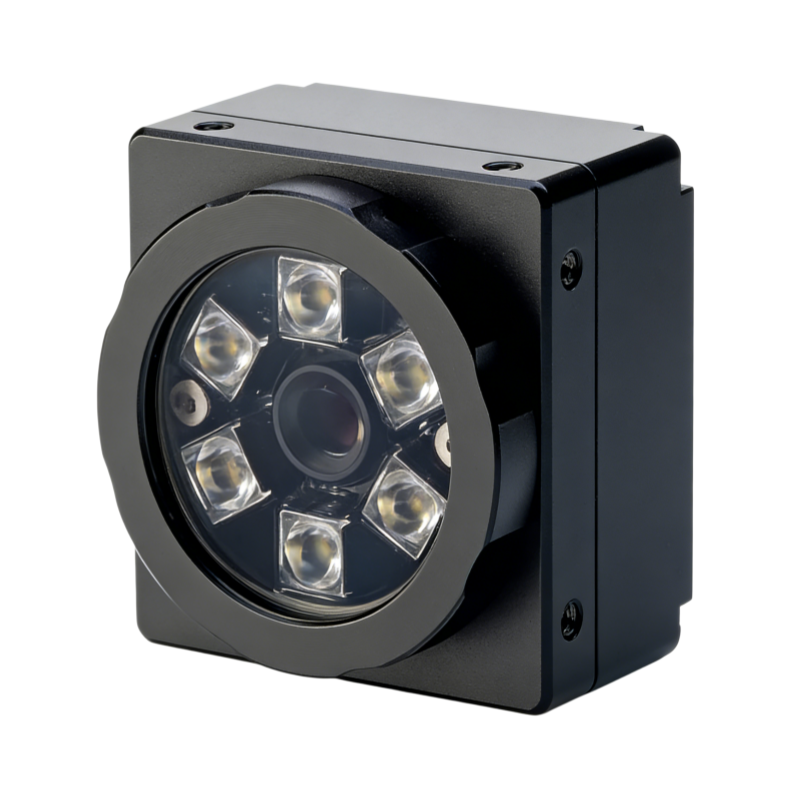
Color Vision Sensor – High-Precision Color Detection Sensor for Automation, Robotics & Smart Devicesduct Description
Color Vision Sensor is a high-precision optical device engineered to detect and distinguish colors with exceptional speed and accuracy. Using advanced CMOS color detection technology and integrated signal processing, it identifies color shades and intensity in real time for automated systems and intelligent devices.
Unlike basic photoelectric sensors, this digital color sensor provides exact RGB or XYZ data output — enabling machines to recognize object color consistency, detect color deviation, or sort materials with human-like perception.
Compact, reliable, and factory-calibrated, the Color Vision Sensor is optimized for automation, robotics, printing, and quality control systems. It simplifies integration with microcontrollers or industrial controllers, offering consistent results across varying lighting conditions.
Advantages of Color Vision Sensor
High-precision color recognition with multi-channel RGB or XYZ sensing
Fast response time for dynamic color sorting and detection
Stable operation under ambient light variations
Compact design for easy installation in automated systems
Digital output with I²C, UART, or analog voltage signals
Low power consumption and high reliability
Factory-calibrated for consistent color accuracy
Compatible with industrial automation, robotics, and IoT systems
User-friendly integration with PLCs, microcontrollers, and AI platforms
RoHS compliant, ensuring eco-friendly and safe manufacturing standards
Color Vision Sensor Specifications
Typical Applications of Color Vision Sensor
Industrial Automation
Color sorting in packaging, printing, or painting lines
Quality control for product color consistency
Object differentiation in production or assembly systems
Robotics & Smart Devices
Color-based navigation and object recognition
Robotic arms for sorting, alignment, or inspection
Smart embedded systems that respond to color cues
IoT & Smart Home Systems
Color-sensitive lighting or display adjustment
Smart appliances that detect surface or material color changes
Consumer devices with color-based triggers
Agriculture & Food Industry
Ripeness or quality detection in fruits and crops
Color sorting of food or packaging materials
DIY & Educational Projects
Arduino and Raspberry Pi color detection projects
Educational kits for optical and sensor learning
FAQs
1. What is a Color Vision Sensor?
A Color Vision Sensor detects and measures colors, distinguishing materials or objects based on their color shade and intensity values in red, green, and blue channels.
2. How is it different from a light or proximity sensor?
Unlike a standard light or proximity sensor that only detects brightness or distance, a color vision sensor identifies specific color patterns or deviations, enabling more complex automation tasks.
3. Can it work in changing lighting conditions?
Yes. It compensates for ambient light variation through built-in calibration algorithms and optional white LED illumination.
4. What outputs does it provide?
The sensor supports I²C, UART, or analog signals for easy integration with microcontrollers (Arduino, STM32, ESP32) or industrial controllers (PLC, Raspberry Pi).
5. Is it suitable for high-speed applications?
Yes. With a fast response time (typically under 10 ms), it supports real-time color recognition for dynamic production lines or robotic arms.
6. Can it detect subtle color differences?
It can distinguish fine color deviations (ΔE < 2 typical), suitable for applications like paint inspection or printed label verification.
7. What is the detection distance range?
Typical detection range is 10–100 mm depending on lens setup and ambient conditions. Some modules allow adjustable focusing.
8. Where can I use this sensor?
Common use cases include color sorting, object recognition, product inspection, and smart device color control in automation or consumer products.
Related Vision Sensor Products:
You may also be interested in the following vision sensors for automation and smart systems:
| Smart Vision Sensor |
| Machine Vision Sensor |
| 2D Vision Sensor |
| 3D Vision Sensor |
| AI Vision Sensor |
| Robotic Vision Sensor |
| Dynamic Vision Sensor |
| Stereo Vision Sensor |
| CMOS Image Sensor |
Friendly Link: