















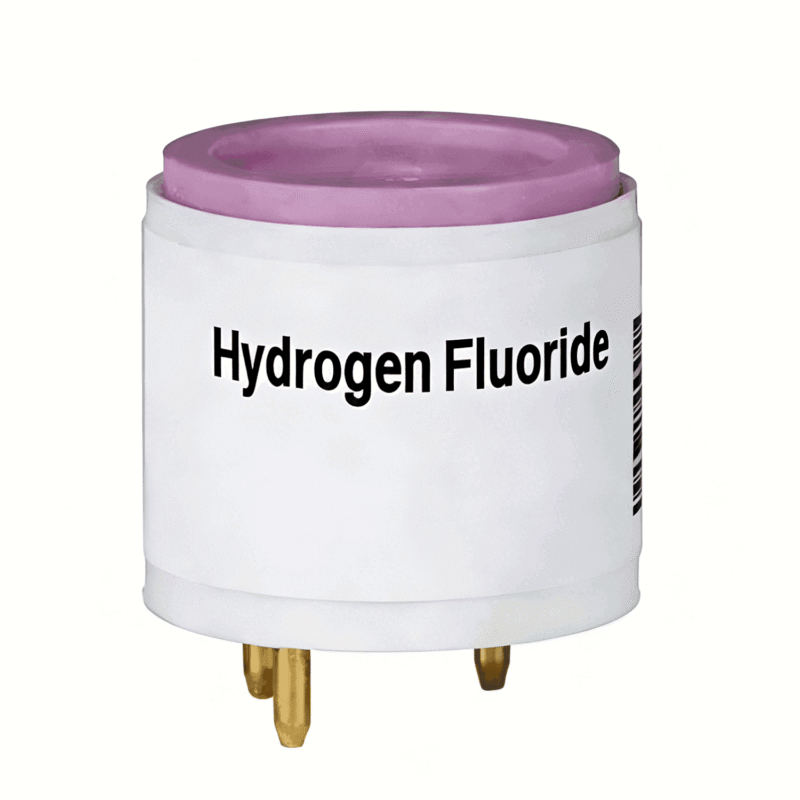
Hydrogen Fluoride (HF) Sensor – Precise, Reliable Detection for Industrial Safety & Hazardous Environments
What is Hydrogen Fluoride (HF) Sensor
Hydrogen Fluoride (HF) Sensor is a compact, high-sensitivity electrochemical device engineered for real-time detection of toxic HF gas in industrial, laboratory, and safety-critical settings. Unlike basic gas sensors, it offers low-level ppb detection with robust interference resistance, addressing key pain points like false alarms and delayed warnings in corrosive environments.
Featuring advanced electrochemical technology and digital signal processing, the HF Sensor delivers accurate, stable readings for HF concentrations from 0-10 ppm. Its rugged, compact design ensures seamless integration into fixed monitoring systems, portable detectors, and IoT networks, solving installation hassles and maintenance challenges for safety engineers and facility managers.
With factory calibration, long lifespan, and minimal drift, this sensor minimizes downtime and compliance risks, empowering users to protect workers, equipment, and assets from HF exposure in etching, semiconductor, and chemical processing applications.
Advantages of Hydrogen Fluoride (HF) Sensor
Ultra-sensitive electrochemical detection down to 0.1 ppm HF for early leak warnings
Wide range: 0-10 ppm with ±5% accuracy to cover industrial thresholds
Low cross-sensitivity to common interferents like CO, NO₂, SO₂, and H₂S
Fast T90 response <30 seconds for immediate real-time alerts
Compact size (45x30x20 mm) for easy integration into OEM devices and panels
Low power <50 mW, ideal for battery-powered and continuous monitoring setups
Excellent long-term stability with <2% drift per year
Operating range: -20°C to 50°C, 10-90% RH (non-condensing) for harsh conditions
Multiple outputs: analog (4-20 mA, 0-5V), digital (UART, I²C) for IoT compatibility
RoHS compliant, poison-resistant design for reliable global deployment
Hydrogen Fluoride (HF) Sensor Specifications
Typical Applications of Hydrogen Fluoride (HF) Sensor
Industrial Safety & Gas Monitoring
HF leak detection in chemical plants and storage facilities
Fixed and portable gas detectors for worker protection
Compliance with OSHA and EPA HF exposure limits
Semiconductor & Glass Etching
Real-time monitoring in wafer etching and cleaning processes
Integration into fab cleanrooms for process control
Safety interlocks for HF acid handling equipment
Laboratory & Research
Fume hood and ventilation system HF detection
Analytical labs handling fluorides and acids
Environmental chambers for material testing
HVAC & Commercial Facilities
Air quality monitoring near cleaning agents
Battery room and refrigerant leak detection
Integration with building management systems (BMS)
FAQ
1. What is the detection range and sensitivity of the HF Sensor?
The sensor detects HF from 0-10 ppm with 0.1 ppm resolution, ideal for early leak detection in industrial settings where low-level exposure risks are common.
2. How does the sensor handle cross-interference from other gases?
It features low cross-sensitivity to CO, NO₂, SO₂, and H₂S, reducing false alarms—a key pain point in multi-gas environments like chemical plants.
3. What is the response time, and why does it matter for safety?
T90 response is under 30 seconds, enabling real-time alerts to prevent HF exposure during etching or handling processes.
4. Can this sensor operate in harsh industrial conditions?
Yes, it functions reliably from -20°C to 50°C and 10-90% RH (non-condensing), addressing durability concerns in corrosive or variable factory environments.
5. What output options are available for integration?
Supports 4-20 mA, 0-5V analog, and UART/I²C digital outputs, solving compatibility issues with PLCs, IoT systems, and portable detectors.
6. How long does the sensor last, and does it need frequent calibration?
Lifespan is 2-3 years with <2% annual drift; factory-calibrated but field-adjustable, minimizing maintenance downtime for busy facilities.
7. Is it suitable for semiconductor or lab applications?
Absolutely—compact 45x30x20 mm size fits fume hoods, cleanrooms, and etching equipment, tackling space constraints and OSHA compliance needs.
8. What power requirements make it battery-friendly?
Low consumption under 50 mW supports continuous or battery-powered use, perfect for remote monitoring without frequent replacements.
Related Sensor Products
Friendly Link: