













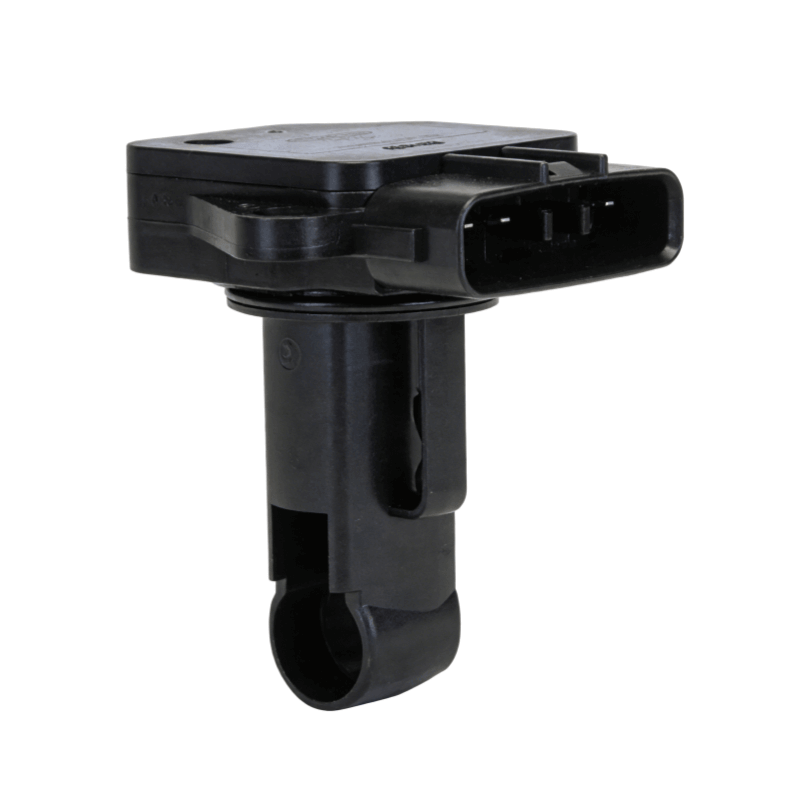
Mass Air Flow (MAF) Sensor – Precision Air Intake Measurement for Automotive & Industrial Engines
Product Description
The Mass Air Flow (MAF) Sensor is a high-accuracy electronic airflow measurement device designed to measure the precise volume and density of air entering an internal combustion engine. By providing real-time airflow data, it ensures optimal fuel injection and combustion efficiency — resulting in improved engine performance, fuel economy, and reduced emissions.
Built with advanced digital sensing technology and durable materials, this MAF sensor delivers stable, responsive readings even under harsh operating conditions. It integrates seamlessly with modern ECU (Engine Control Unit) systems and supports both analog and digital output configurations. Ideal for automotive applications, industrial engines, and air intake systems, it enables engineers and mechanics to diagnose, tune, and monitor engines with confidence.
Advantages & Key Features
-
OE-Grade Precision: Equipped with high-sensitivity sensing elements for ultra-accurate air mass flow measurement.
-
Enhanced Fuel Efficiency: Optimizes combustion to reduce fuel consumption and lower harmful emissions (CO2/NOx).
-
Rapid Response Technology: Features a fast-acting thermal element with a response time of <15ms, ensuring smooth acceleration and gear shifts.
-
Contamination Resistance: Built-in protective housing and specialized coating to prevent sensor drift caused by dust, oil, and moisture.
-
Plug-and-Play Integration: Designed for seamless installation with standard automotive connectors (3-pin/5-pin configurations).
-
Robust Thermal Stability: Operates reliably in extreme engine environments from -40°C to +125°C.
-
Factory Calibrated: Each unit undergoes rigorous flow-bench testing to match original equipment specifications.
-
Durability & Compliance: RoHS compliant and manufactured under IATF 16949 quality standards.
Mass Air Flow Sensor Specifications
| Parameter | Specification |
|---|---|
| Sensor Type | Hot-film or hot-wire digital airflow sensor |
| Measurement Range | 0 – 500 g/s (typical, engine-dependent) |
| Accuracy | ±2% (typical) |
| Output Type | Analog voltage or digital PWM |
| Supply Voltage | 5 V DC |
| Response Time | ≤15 ms |
| Operating Temperature | –40°C to +125°C |
| Housing Material | Glass-filled nylon or aluminum alloy |
| Connector Type | 3-pin or 5-pin (customizable) |
| Signal Frequency | Up to 10 kHz |
| Installation Type | Inline, with mounting flange |
| Calibration | Factory calibrated |
| Compliance | RoHS, ISO/TS16949 certified |
Typical Applications of Mass Air Flow Sensor
Automotive & Transportation
-
Air intake monitoring for gasoline, diesel, and hybrid engines
-
ECU-based fuel injection optimization and emission control
-
Aftermarket replacement for OEM MAF sensors
-
Performance tuning and diagnostics tools
Industrial Engines & HVAC Systems
-
Airflow regulation in generators, compressors, and burners
-
Control of air-fuel mixture in stationary power systems
-
Monitoring air circulation and filtration efficiency in ventilation systems
Research & Development / Custom Projects
-
Engine test benches and performance measurement setups
-
Data acquisition systems for automotive laboratories
-
Integration with microcontrollers (Arduino, STM32, Raspberry Pi) for custom airflow monitoring
FAQ
1. What does a mass air flow sensor do?
A mass air flow (MAF) sensor measures the amount of air entering the engine’s intake system. This data helps the Engine Control Unit (ECU) calculate the correct air-fuel ratio for optimal combustion. A properly functioning MAF sensor improves fuel efficiency, enhances engine power, and reduces exhaust emissions — making it essential for stable vehicle performance.
2. Where is the mass air flow sensor located?
The MAF sensor is typically installed between the air filter box and the engine’s throttle body. It sits in the intake duct to measure the airflow before the air mixes with fuel. When replacing or cleaning the sensor, ensure the engine is off and the intake hose is cool to prevent damage or contamination.
3. How to test a mass air flow sensor?
Testing can be done using a digital multimeter or OBD-II scanner:
-
With a multimeter, measure the voltage or frequency output from the sensor while idling and revving.
-
With an OBD-II tool, check real-time airflow readings against your vehicle’s specs.
Unstable or inconsistent readings usually indicate a dirty or malfunctioning sensor that needs maintenance or replacement.
4. How to clean a mass air flow sensor?
To clean a MAF sensor, disconnect the negative battery terminal, remove the sensor from the intake housing, and use a special MAF sensor cleaner spray (never use brake cleaner or compressed air). Spray the sensing element gently, allow it to dry for at least 10–15 minutes, then reinstall. Regular cleaning can resolve issues like rough idling, poor acceleration, or high fuel consumption.
5. Mass air flow sensor symptoms (when it fails)
Common signs of a faulty or dirty MAF sensor include:
-
Engine hesitation or jerking during acceleration
-
Black smoke from the exhaust
-
Rough idle or stalling
-
Check Engine Light illumination
-
Reduced fuel economy
If these symptoms persist after cleaning, replacement may be necessary.
6. How to change a mass air flow sensor?
Replacing the MAF sensor is straightforward:
a. Disconnect the car battery.
b. Unplug the MAF connector.
c. Remove the sensor from the air intake tube.
d. Install the new one, making sure the airflow direction arrow matches the intake direction.
e. Reconnect everything and restart the engine.
A high-quality replacement ensures accurate readings and stable performance.
Related Flow & Sensor Products
Friendly Link: