















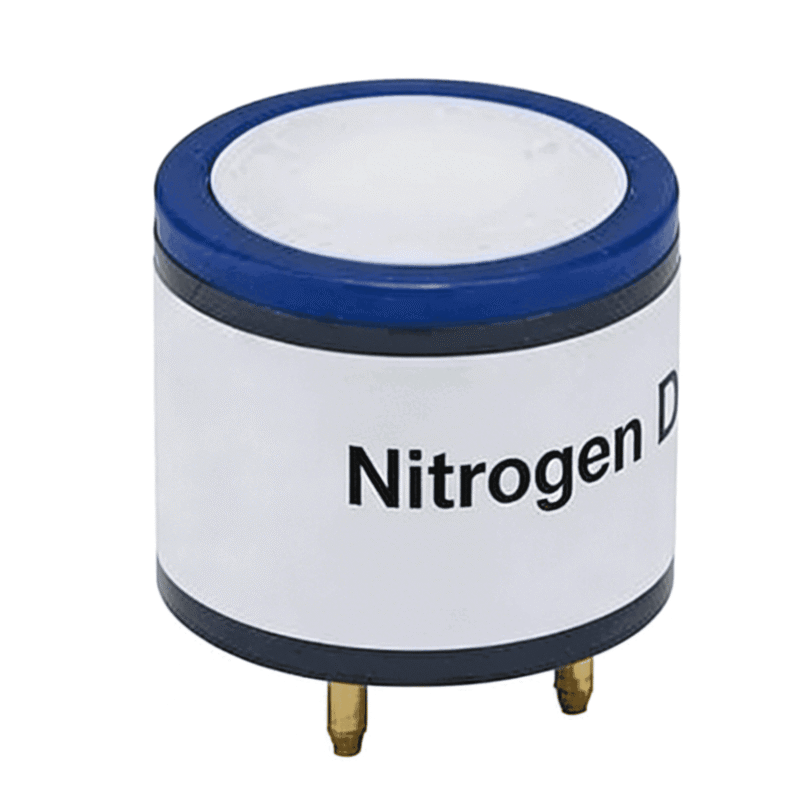
Nitrogen Dioxide (NO2) Sensor – High-Precision Nitrogen Dioxide Gas Detection for Air Quality & Industrial Safety
What is Nitrogen Dioxide (NO₂) Sensor
The NO₂ Sensor is a compact and high-accuracy digital gas sensor designed for continuous detection of nitrogen dioxide (NO₂) in indoor and outdoor environments. Using advanced electrochemical or MEMS sensing technology, it provides precise, real-time air quality data for smart homes, industrial safety systems, and IoT applications.
Unlike typical gas detectors, this sensor features digital signal output or optional Bluetooth/serial connectivity, enabling seamless integration with microcontrollers, IoT gateways, and cloud-based monitoring platforms. Its energy-efficient design and robust stability make it ideal for long-term deployment in smart city networks, HVAC systems, or portable air quality monitors.
The factory-calibrated sensor ensures consistent and accurate measurements, reducing setup complexity for developers and providing trustworthy environmental readings for users concerned about health and pollution exposure.
Advantages of Nitrogen Dioxide (NO2) Sensor
High sensitivity and accuracy for reliable NO₂ concentration measurement
Wide detection range, suitable for environmental and industrial monitoring
Fast response and recovery time for real-time air quality analysis
Low power consumption supporting battery or solar-powered IoT devices
Digital output interface (analog or I²C/UART/BLE) for easy integration
Long-term stability with built-in temperature compensation
Factory calibrated for plug-and-play performance
Compact and robust design suitable for harsh environments
RoHS compliant and environmentally safe
Customizable configurations for specific concentration ranges or response needs
Nitrogen Dioxide (NO2) Sensor Specifications
Typical Applications of Nitrogen Dioxide (NO2)
Smart Home & IoT Devices
Air quality monitoring in residential, office, or public spaces
Integration with smart home hubs, air purifiers, and HVAC systems
Real-time alerts for harmful gas concentrations
Smart Cities & Environmental Monitoring
Urban pollution and roadside monitoring networks
Integration into environmental data platforms and IoT nodes
Public air quality dashboards and environmental health initiatives
Industrial & Safety Monitoring
Emission control in manufacturing and chemical plants
Workplace safety and compliance with environmental regulations
Continuous process monitoring and ventilation optimization
Agriculture & Indoor Farming
Detection of harmful gases in controlled-environment agriculture
Ensuring healthy conditions for crops and livestock
DIY & Maker Projects
Integration with Arduino, ESP32, or Raspberry Pi development boards
Educational or research experiments related to air quality
Portable or wearable NO₂ monitoring devices
FAQ
1. What is an NO₂ sensor and what does it measure?
An NO₂ sensor is a gas detection device used to measure the concentration of nitrogen dioxide in the air. It helps monitor air quality and detect harmful NO₂ levels in environments such as urban areas, industrial facilities, tunnels, and parking garages.
2. Why is monitoring nitrogen dioxide important?
Nitrogen dioxide is a toxic air pollutant mainly generated from vehicle exhaust, power plants, and combustion processes. High NO₂ exposure can irritate the lungs and worsen respiratory diseases. Continuous monitoring helps protect human health and ensures compliance with environmental regulations.
3. Where are NO₂ sensors commonly used?
NO₂ sensors are widely used in roadside air quality monitoring stations, underground parking ventilation systems, traffic tunnels, industrial emission monitoring, laboratories, and smart building HVAC systems.
4. How does an electrochemical NO₂ sensor work?
Electrochemical NO₂ sensors detect gas concentration through a chemical reaction between nitrogen dioxide and the sensing electrode. This reaction generates a small electrical current that is proportional to the NO₂ concentration, allowing precise and real-time measurement.
5. What is the difference between an NO₂ sensor and an NOx sensor?
An NO₂ sensor specifically measures nitrogen dioxide, while an NOx sensor detects a group of nitrogen oxides including nitric oxide (NO) and nitrogen dioxide (NO₂). NOx sensors are often used in automotive exhaust monitoring, while NO₂ sensors are commonly used in environmental monitoring.
6. How often should an NO₂ sensor be calibrated?
Calibration frequency typically depends on the sensor type and application environment. In most monitoring systems, calibration is recommended every 6 to 12 months to maintain measurement accuracy and long-term stability.
7. What factors can affect the accuracy of an NO₂ sensor?
Temperature, humidity, dust, airflow conditions, and the presence of other gases may influence sensor readings. Choosing sensors with temperature compensation and proper filtering can improve accuracy and reliability.
8. What is the typical lifespan of an NO₂ gas sensor?
The typical lifespan of an electrochemical NO₂ sensor is about 2–3 years under normal operating conditions. Proper maintenance and stable environmental conditions can help extend sensor life.
Related Gas Sensor Products
Friendly Link: