














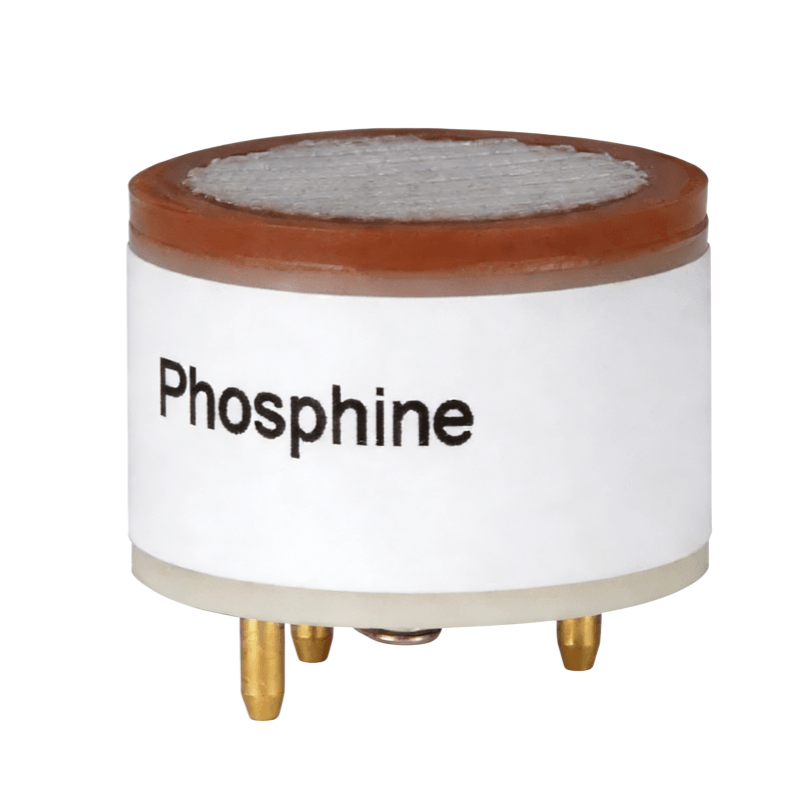
Phosphine (PH₃) Gas Sensor – High Sensitivity, Fast Response, Reliable Detection for Industrial Safety & Environmental Monitoring
What is Phosphine (PH₃) Sensor
The Phosphine (PH₃) Sensor is a high-performance gas detection module engineered for precise, continuous monitoring of phosphine concentrations in industrial and environmental applications. Designed with advanced electrochemical or MEMS sensing technology, it provides exceptional sensitivity, stability, and linearity — even in harsh working environments.
With its compact design and low-power operation, this sensor easily integrates into fixed gas detectors, portable detection devices, and IoT safety monitoring systems. Factory calibration ensures accurate output signals and long-term reliability, helping users prevent hazardous gas exposure and optimize process safety.
Perfect for use in pharmaceutical production, grain storage, fumigation facilities, semiconductor manufacturing, and industrial safety systems, the PH₃ Sensor offers peace of mind through dependable, real-time phosphine detection.
Advantages (Key Selling Points)
Ultra-low detection limit up to 0.01 ppm for early gas leak warning
Fast response time (T90 ≤ 30 seconds) for real-time alerts
Factory calibrated for accurate, plug-and-play operation
Multiple outputs: I²C, UART, analog, with BLE option for wireless IoT monitoring
Low power design suitable for battery and remote systems
Compact module or IP-rated probe versions for flexible installation
Long-term stability with low signal drift (<2% per year)
Compatible with Arduino, ESP32, Raspberry Pi, and PLCs
Durable structure for semi-outdoor and industrial use
RoHS and CE compliant, globally certified for distribution
Phosphine (PH₃) Sensor Specifications
Typical Applications of Phosphine (PH₃) Sensor
Industrial Safety & Gas Detection
Real-time phosphine monitoring in manufacturing and storage areas
Worker protection in semiconductor and chemical plants
Continuous gas detection in fumigation and pest control operations
Agricultural & Storage Monitoring
Phosphine control during grain fumigation and storage
Environmental safety in silos, warehouses, and greenhouses
Environmental & Research Fields
Phosphine emissions tracking in laboratories and waste treatment facilities
Process control for environmental and air quality testing
Smart IoT & Portable Devices
Wireless phosphine monitoring with BLE for smart hubs
Battery-powered handheld detection instruments
Custom integration into Arduino, ESP32, or PLC-based safety systems
FAQ
1. What is Phosphine and why is it dangerous?
Phosphine (PH₃) is a highly toxic and flammable gas often used in fumigation and semiconductor manufacturing. Continuous monitoring helps prevent poisoning and ensures workplace safety.
2. How does the PH₃ Sensor work?
It uses an electrochemical or MEMS-based sensing element that reacts specifically with phosphine, converting gas concentration into a measurable electrical signal.
3. Can the sensor be used outdoors?
Yes, when integrated into a properly sealed housing. It’s suitable for semi-outdoor or industrial applications with moderate humidity.
4. Is calibration required before use?
Each sensor is factory calibrated, but periodic recalibration (every 6–12 months) is recommended for best accuracy.
5. How long does the sensor last?
Under normal conditions, the operational lifespan is at least 24 months. Lifespan may vary depending on exposure to high gas concentrations or humidity.
6. How can I interface this sensor with a microcontroller?
It supports analog, UART, or I²C output — compatible with Arduino, Raspberry Pi, and most IoT platforms.
7. Can it detect other gases?
The sensor is designed for phosphine selectivity. Cross-sensitivity is minimal but may occur with certain gases like arsine or silane under specific conditions.
8. Is this sensor suitable for portable gas detectors?
Yes, its compact size and low power consumption make it ideal for handheld, battery-powered gas detection instruments.
Related Gas Sensor Products
In addition to PH3 sensors, we offer a full range of gas sensors for different monitoring requirements:
Friendly Link: