















PNP Photoelectric Sensor, Photoelectric Sensor
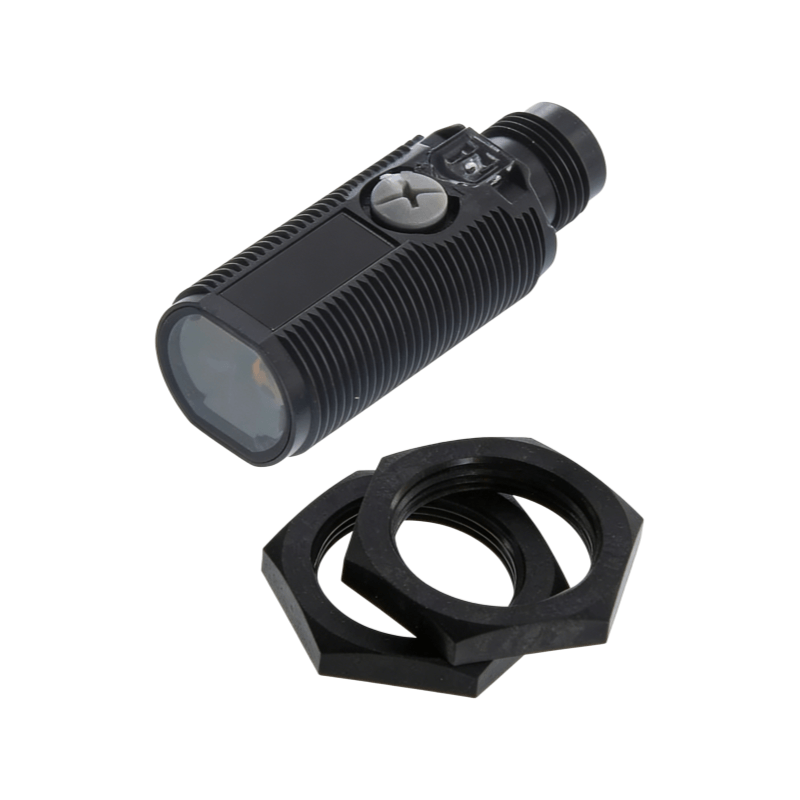
PNP Photoelectric Sensor, Photoelectric Sensor
Key Features
Fast ≤1 ms response ensures accurate real-time object detection
Adjustable sensing range from 10 mm to 10 m for flexible setups
High anti-interference performance against ambient light and noise
Compact housing fits tight industrial machine installations
LED indicator for quick status and alignment verification
PNP output ensures easy PLC and controller integration
Low power consumption <30 mA supports energy-efficient devices
IP67 protection guarantees durability in harsh environments
Factory-calibrated optical system ensures reliable long-term performance
OEM factory supply supports customized design and bulk order requirements
- sales@connector-sensor.com
- +86 15120067961
PNP Photoelectric Sensor – High-Performance Object Detection Sensor for Industrial Automation
Product Description
PNP Photoelectric Sensor is a high-reliability, non-contact object detection device widely used in industrial automation environments. Using advanced optical sensing technology, it accurately detects the presence, position, or distance of objects without physical contact, enabling smooth and efficient machine operation.
Designed with a PNP output configuration, our photoelectric sensor offers easy compatibility with PLCs, controllers, and automation systems. Its fast response time, anti-interference capabilities, and long detection range make it ideal for conveyor lines, robotic arms, packaging systems, and material handling applications.
Built with industrial-grade materials and tight quality control, this photoelectric PNP sensor ensures long-term stability under harsh conditions such as dust, vibration, and ambient light changes. The plug-and-play “photoelectric sensor PNP on” setup simplifies installation and calibration, reducing downtime and maintenance costs.
Advantages of PNP Photoelectric Sensor
High response speed for real-time detection in automation lines
Stable and precise sensing unaffected by object color or material (depending on mode)
Multiple sensing modes: diffuse, retro-reflective, and through-beam available
Easy wiring and installation with standard M12 connector or cable output
PNP output for seamless integration with PLCs and control systems
Excellent resistance to ambient light and electrical noise interference
Adjustable detection distance and sensitivity for flexible setup
Rugged housing with IP65/IP67 protection for demanding environments
Low power consumption for energy-efficient equipment designs
Factory manufacturing for OEM and global B2B supply
PNP Photoelectric Sensor Specifications
| Parameter | Specification |
| Sensor Type | PNP Photoelectric Sensor (Diffuse / Retro-reflective / Through-beam) |
| Detection Distance | 10 mm – 10 m (depending on model type) |
| Output Type | PNP Normally Open (NO) or Normally Closed (NC) |
| Response Time | ≤1 ms typical |
| Operating Voltage | 10–30 V DC |
| Current Consumption | ≤30 mA (no load) |
| Light Source | Infrared LED / Red LED / Laser optional |
| Ambient Light Resistance | ≥10,000 Lux |
| Protection Rating | IP65 / IP67 |
| Operating Temperature | –25°C to +55°C |
| Connection Type | M12 connector or prewired cable (2 m / 5 m) |
| Housing Material | PC, ABS, or Metal shell |
| Output Indicator | LED display of operation status |
| Certifications | CE, RoHS compliant |
Typical Applications of PNP Photoelectric Sensor
Industrial Automation
Conveyor system object detection and positioning
Robotic arm pick & place verification
Packaging and labeling line object counting
Manufacturing & Logistics
Pallet detection in warehouse automation
Box presence detection in automatic sorting lines
Bottle and cap detection in filling machines
Electronics & Assembly
PCB positioning and component presence check
High-speed part inspection and counting
Machine safety and door control
OEM / Integration Projects
Custom automation system development
Smart IoT device integration for industrial monitoring
Machine vision triggering and synchronization
FAQ
Q1: What does “photoelectric sensor PNP on” mean?
It refers to a PNP-type photoelectric sensor that outputs a positive voltage (Vcc) signal when detection is ON, making it compatible with most PLC and automation controller inputs.
Q2: What’s the difference between PNP and NPN output?
PNP sensors source current to the load (positive output), while NPN sensors sink current to ground (negative output). Choosing depends on the controller input type.
Q3: Can the sensor detect transparent or reflective objects?
Yes, but for reflective or transparent targets (like glass or film), a retro-reflective or through-beam model with proper alignment is recommended.
Q4: How to connect the PNP photoelectric sensor to a PLC?
Connect the brown wire to +V, blue wire to ground, and black wire (output) to the PLC input terminal. Ensure the input mode matches PNP logic.
Q5: What’s the maximum detection distance?
This varies by model: diffuse (up to 1 m), retro-reflective (up to 4 m), through-beam (up to 10 m).
Q6: Can it operate outdoors?
Yes, under covered or semi-outdoor environments, provided it’s within the IP67 rating and protected from direct rain or sunlight exposure.
Q7: Is OEM customization available?
Absolutely. We support OEM/ODM services including housing customization, private labeling, and tailored detection ranges for industrial clients.
Q8: How can I select the right sensor for my project?
Consider the sensing distance, target material, installation space, and environmental conditions. Our technical team offers free selection support for you.
Related Sensor Products
NPN Photoelectric Sensor
Capacitive Proximity Sensor
Inductive Proximity Sensor
Optical Fiber Sensor
Laser Distance Sensor
Infrared Obstacle Detection Module
Send Message to get Datasheet.
Strict Production Process
Engineers develop optimized electronic circuits and structural designs based on real application needs.
High-quality components and materials are carefully selected from trusted suppliers to ensure long-term reliability.
Automated SMT and precision soldering technologies are used to build stable and high-performance circuit boards.
Sensor elements or connector terminals are assembled with the PCB and housing to ensure accurate operation and strong mechanical stability.
Each product undergoes strict calibration and functional testing to guarantee accuracy and stable performance.
Every unit is carefully inspected, labeled, and securely packaged to ensure it arrives safely and performs reliably for your applications.
Strict Production Process of Yafeite