














Tension Load Cell – High-Precision Force Sensor for Cable Tension, Lifting & Industrial Automation
Product Description
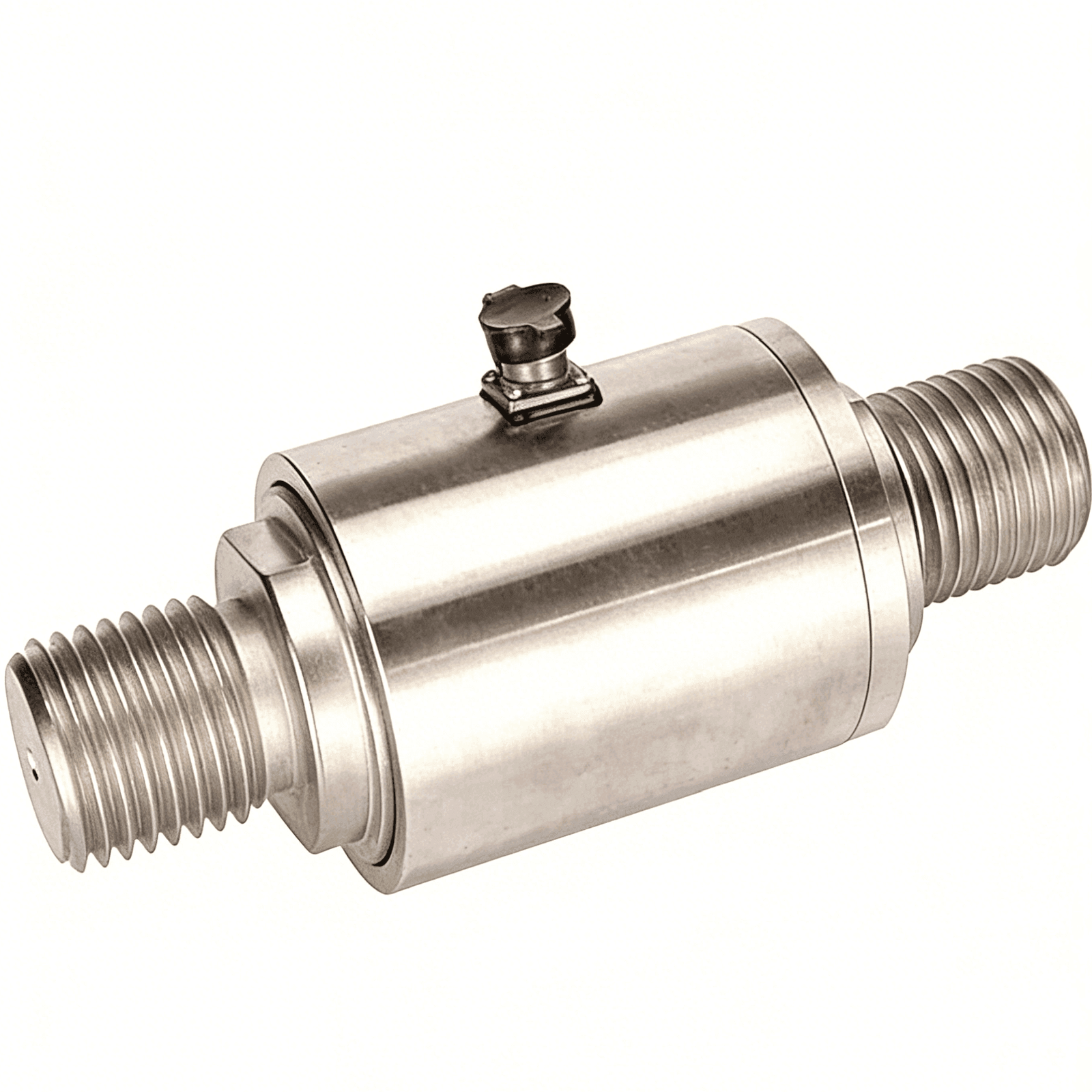
Tension Load Cell is a rugged, high-precision strain gauge sensor engineered for inline tension and pull force measurement in demanding industrial applications. It can convert tensile loads into stable electrical signals with extremely high precision and minimal drift, thus solving common pain points such as signal instability and complex installation.
Unlike basic force sensors, our Tension Load Cell features robust stainless steel construction, temperature compensation, and flexible mounting options for seamless integration into cranes, winches, and cable systems. OEMs benefit from factory-direct customization, reducing development time and ensuring compliance with global standards.
With proven long-term stability and competitive MOQ, our sensor helps industrial clients optimize equipment performance, prevent overload failures, and lower maintenance costs across automation and material handling operations.
Advantages of Tension Load Cell
Precision strain gauge technology for reliable tension measurement
Wide capacity range: 50kg–10,000kg for diverse applications
Superior linearity (±0.05% F.S.) and temperature compensation
Stainless steel construction with IP67 waterproof rating
Easy inline installation for cranes, cables, and hoists
Compatible with PLC, DCS, and wireless data acquisition systems
Factory-calibrated with traceable certificates
Overload protection up to 150% capacity
Custom cable lengths, connectors, and output signals available
CE, RoHS certified for global B2B export and OEM integration
Tension Load Cell Specifications
Typical Applications of Tension Load Cell
Crane & Lifting Equipment
Overhead crane and hoist overload protection
Winch tension monitoring
Elevator cable force measurement
Cable & Rope Systems
Steel cable tension testing
Fiber rope load monitoring
Mooring and towing force measurement
Industrial Automation
Conveyor tension control
Material handling pull force detection
Automated assembly line force feedback
Testing & Quality Control
Tensile strength testing machines
Wire rope inspection equipment
Fatigue testing for structural components
FAQ
Q1: What is a Tension Load Cell used for?
A Tension Load Cell measures pull or tensile forces inline, perfect for cranes, cables, hoists, and automation systems where overload prevention is critical.
Q2: How accurate are your Tension Load Cells?
They achieve C3 accuracy class with ≤0.05% non-linearity, ensuring precise measurements even under dynamic loads and temperature variations.
Q3: Can it handle harsh environments like outdoor cranes?
Yes, IP67 stainless steel construction protects against dust, water, and corrosion, ideal for marine, outdoor, and industrial settings.
Q4: What output options are available for PLC integration?
Standard mV/V output works with most amplifiers; custom 4-20mA, CANopen, or wireless options available for direct PLC/DCS connectivity.
Q5: Is customization possible for capacity or mounting?
Factory-direct OEM/ODM supports custom capacities, thread sizes, cable lengths, and mounting configurations to fit your equipment design.
Q6: What’s the safe overload limit?
Up to 150% of rated capacity with no permanent damage; 200% ultimate overload for safety-critical applications.
Q7: Do you provide calibration certificates?
Every unit ships factory-calibrated with individual test reports; OIML certification available for legal-for-trade applications.
Q8: How long is the typical lifespan?
Over 100 million fully reversed cycles with proper installation, minimizing downtime and replacement costs.
Related Sensor Products
Compression Load Cell
Single Point Load Cell
S-Type Load Cell
Wireless Load Cell
Friendly Link: