















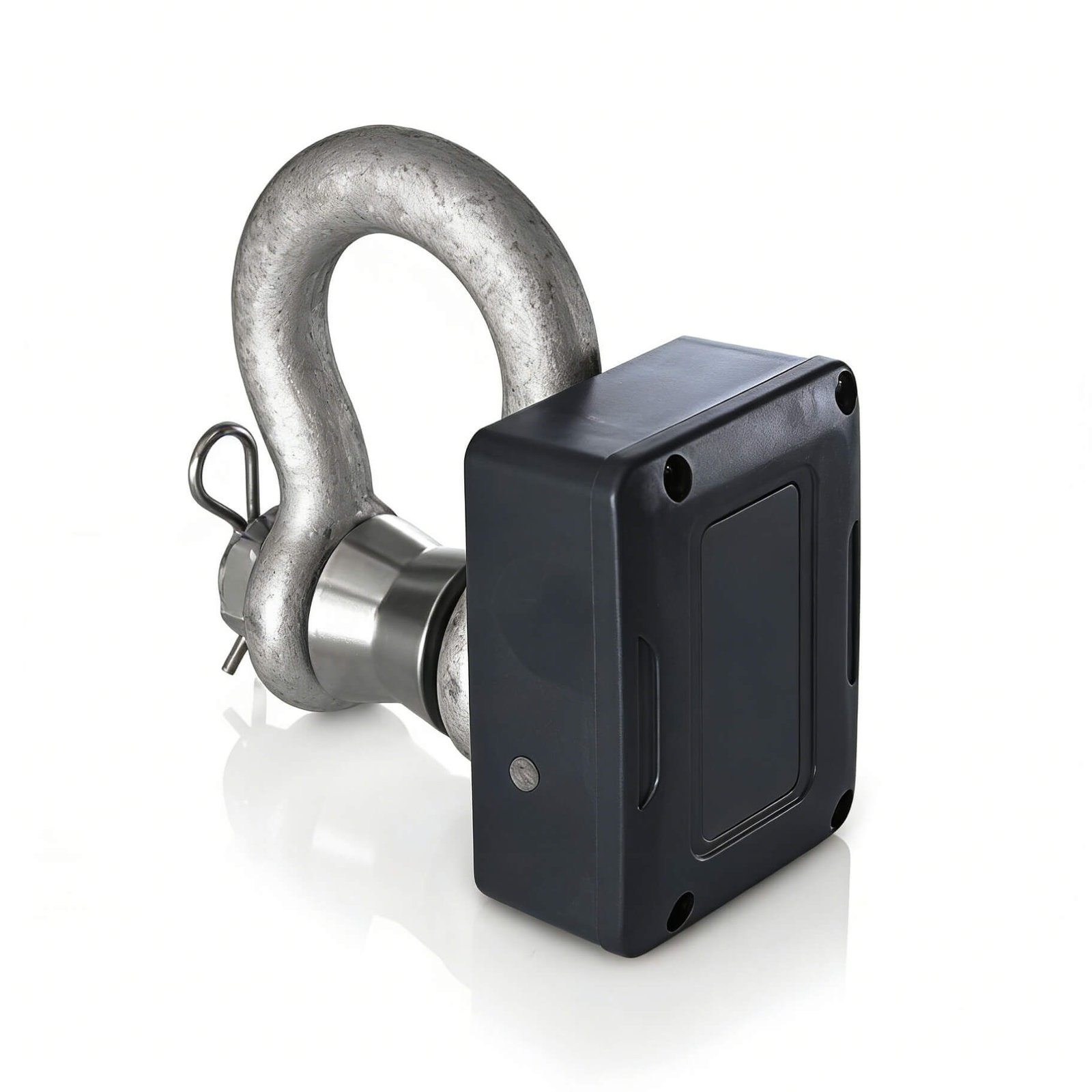
Wireless Load Cell for Industrial Weighing & Automation | High Accuracy, Long-Range, Factory Supply
Product Description
Wireless Load Cell is a high-precision force measurement device combining advanced load-sensing technology with wireless data transmission for modern industrial weighing and IoT applications. Built for manufacturers, integrators, and automation system users, it eliminates the need for complex cabling while maintaining superior accuracy and stability.
Each unit integrates a robust load cell, low-power wireless transmitter, and onboard signal conditioning circuit. Designed to transmit real-time force or weight data over long ranges, it suits mobile, remote, or hard-to-wire applications such as tanks, cranes, mobile platforms, and outdoor structures.
With a rugged stainless-steel construction, excellent overload protection, and long battery life, our wireless load cells reduce installation costs while improving system flexibility and efficiency. As a direct manufacturer, we ensure consistent quality, competitive OEM pricing, and full technical support for global B2B partners.
Advantages of Wireless Load Cell
High-accuracy digital sensing for industrial weighing and monitoring
Wireless data transmission, reducing cabling and installation labor
Long communication range: up to 100m (in open field) using 2.4 GHz or LoRa protocols
Typical measurement accuracy ±0.05% F.S.
Suitable for cranes, tanks, hoppers, and mobile weighing systems
Low power consumption and long battery life (up to 12 months typical)
IP66/IP68-rated housing for harsh environments
Easy pairing with wireless indicators, handheld readers, or IoT gateways
Modular design for quick OEM customization
Factory calibration ensures long-term stability and consistent performance
Wireless Load Cell Specifications
Typical Applications of Wireless Load Cell
Industrial Weighing & Automation
Wireless monitoring for tanks, containers, and process systems, reducing wiring complexity.
Construction & Crane Safety Systems
Real-time load tracking on cranes, hoists, and lifting systems to prevent overload.
Transportation & Vehicle Weighing
Mobile load measurement for trucks, forklifts, and rail applications without fixed cabling.
Energy & Smart Agriculture
Remote weighing of liquid tanks, silos, or fertilizer containers within IoT platforms.
R&D and Field Projects
Ideal for testing, mobile setups, and research requiring quick installation and reliable telemetry.
FAQ
1. What is a wireless load cell used for?
It measures force or weight and transmits the data wirelessly, ideal for mobile or remote weighing applications without the need for signal cables.
2. How does it transmit data?
Depending on the model, it uses 2.4 GHz, BLE, or LoRa protocols to send data to a wireless receiver, handheld device, or IoT hub.
3. What is the maximum transmission distance?
Typically up to 100 meters in open space; actual range depends on environment and receiver type.
4. Is the wireless signal stable in industrial environments?
Yes. Our load cells include anti-interference technology and encrypted data transmission to ensure reliable communication even in factories.
5. How often do I need to replace the battery?
Under normal operation, the battery can last up to 12 months and is easy to replace or recharge.
6. Can you customize the load range or communication interface?
Yes, we provide OEM and ODM customization including load range, housing design, and wireless protocol integration.
7. Are the sensors suitable for outdoor use?
Absolutely. With IP66/IP68 protection and corrosion-resistant materials, they perform well in outdoor or semi-outdoor conditions.
8. What industries commonly use wireless load cells?
They are widely used in industrial automation, logistics, construction, energy, transportation, and IoT-based projects worldwide.
Related Sensor Products
Compression Load Cell
Single Point Load Cell
S-Type Load Cell
Wireless Load Cell
Friendly Link: