


Alcohol Sensor – High-Accuracy Ethanol Gas Detection for Breath Analyzer, Industrial Safety & IoT Monitoring
What is Alcohol Sensor
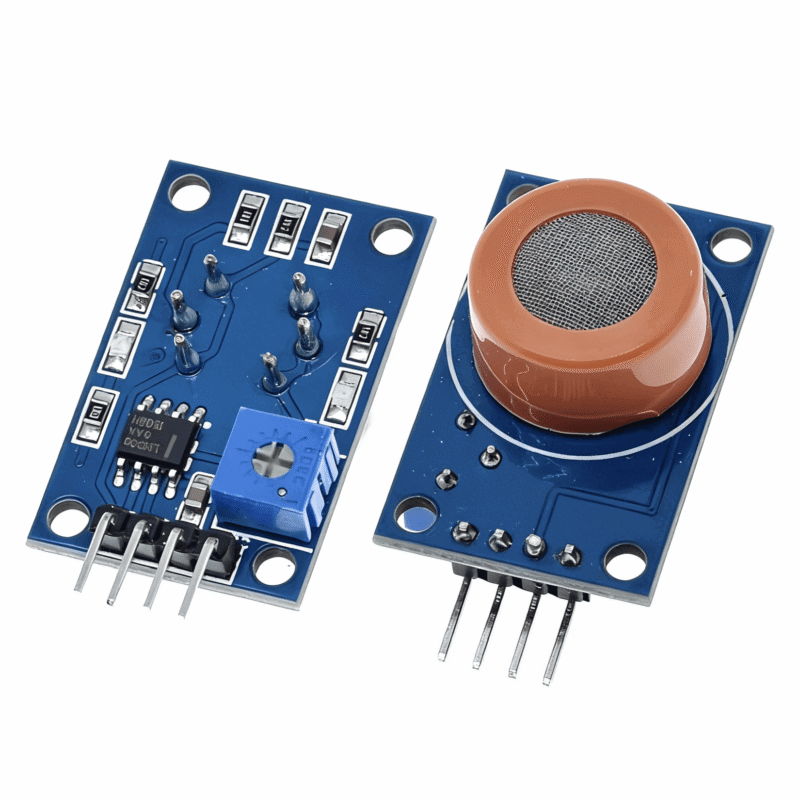
The Alcohol Sensor is a highly sensitive digital gas sensor designed to detect ethanol vapor concentrations quickly and accurately in the surrounding air. Using advanced semiconductor sensing technology and integrated signal processing, it provides precise alcohol-level readings for real-time monitoring applications.
Unlike traditional analog sensors, this digital alcohol sensor offers direct output compatibility with IoT modules, microcontrollers, and smart systems—making it ideal for both personal breath analyzers and industrial gas detection setups.
With factory calibration, reliable long-term stability, and energy-efficient operation, the sensor ensures consistent and trustworthy performance for developers, manufacturers, and system integrators seeking high-quality alcohol detection solutions.
Advantages of Alcohol Sensor
High sensitivity to ethanol and alcohol vapors
Wide detection range suitable for indoor or industrial use
Fast response and recovery time for real-time measurement
Digital output interface (UART / I²C) for easy system integration
Factory calibrated for accurate and consistent results
Low power consumption ideal for portable devices or IoT setups
Compact and durable design for flexible installations
Long service life with minimal signal drift over time
Excellent temperature compensation and environmental stability
RoHS compliant and ready for global industrial and commercial use
Alcohol Sensor Specifications
Typical Applications of Alcohol Sensor
Smart Home & IoT Devices
Personal breath analyzers and smart breath testers
Gas detection units for home safety monitoring
Environmental air quality sensors with alcohol detection
Industrial & Laboratory Monitoring
Chemical and solvent vapor detection in workshops
Industrial safety and ventilation control systems
Alcohol concentration monitoring in production lines
Automotive & Safety Systems
Smart vehicle ignition interlock breath sensors
In-car driver alcohol monitoring systems
Fleet vehicle safety devices
Research & DIY Projects
Arduino and ESP32/ESP8266 alcohol detection projects
Portable breath analyzer prototypes
IoT-based workplace safety monitoring
FAQ
- How accurate is the sensor?
Accuracy depends on calibration and environment. High-quality sensors can detect alcohol levels as low as 0.01 mg/L, providing reliable readings for safety and compliance. Can it detect alcohol in crowded or smoky environments?
Yes, but external factors like smoke, strong odors, or humidity can slightly affect readings. Regular calibration helps maintain precision.What are the common applications?
Alcohol sensors are widely used in personal breathalyzers, automotive ignition interlocks, industrial safety systems, and smart IoT devices for monitoring alcohol vapors.How quickly does it respond to alcohol?
Most sensors provide readings within 5–15 seconds, allowing near real-time monitoring and quick alerts in critical applications.Does the sensor require maintenance?
Periodic calibration and cleaning are recommended to maintain long-term accuracy. Some sensors have a lifespan of 2–5 years depending on usage.Can it be integrated with smartphones or IoT systems?
Yes. Many modern alcohol sensors support digital or analog outputs compatible with microcontrollers, Bluetooth, or IoT platforms for smart monitoring solutions.Is it safe to use indoors?
Yes, alcohol sensors are non-invasive and safe for indoor use, but avoid exposure to flammable liquids or extreme environments that may damage the sensor.
Related Sensor Products
Friendly Link: