



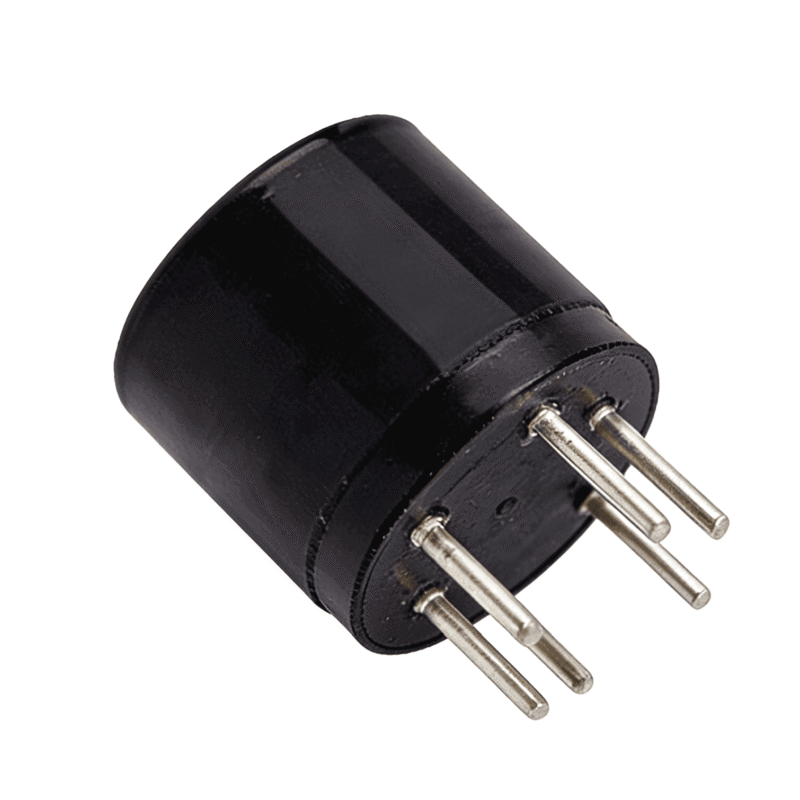
Ozone (O3) Sensor – High-Precision O₃ Gas Detection for Air Quality & Industrial Safety
What is Ozone (O3) Sensor
The Ozone Sensor is a high-precision gas detection device designed to monitor ozone (O₃) concentration in real time. Ozone is widely used in air purification, water treatment, and industrial oxidation processes, but excessive exposure can be harmful to human health and sensitive equipment. This sensor helps users accurately detect ozone levels and maintain safe operating conditions.
Using advanced electrochemical or semiconductor sensing technology, the sensor delivers reliable and stable ozone measurements with fast response and excellent selectivity. It can detect low-level ozone concentrations in ppm or ppb ranges, making it ideal for environmental monitoring and safety systems.
The compact design allows easy integration into air quality monitors, HVAC systems, ozone generators, smart building devices, and industrial safety equipment. With factory calibration and long-term stability, the ozone sensor provides dependable performance for continuous monitoring applications.
For engineers and system integrators, the sensor simplifies integration while delivering accurate ozone detection for indoor air quality management, industrial safety monitoring, and environmental control systems.
Advantages of Ozone (O3) Sensor
• High-sensitivity detection of ozone (O₃) gas at low concentrations
• Accurate measurement suitable for air quality and safety monitoring
• Wide detection range for industrial and environmental applications
• Fast response time for real-time ozone leak detection
• Excellent selectivity to reduce cross-gas interference
• Compact design for easy device integration
• Stable output with minimal signal drift over time
• Low power consumption for continuous monitoring systems
• Factory calibrated for reliable performance
• RoHS compliant and suitable for global markets
Ozone (O3) Sensor Specifications
| Parameter | Specification |
|---|---|
| Sensor Type | Electrochemical / Semiconductor Ozone Sensor |
| Target Gas | Ozone (O₃) |
| Detection Range | 0–10 ppm (custom ranges available) |
| Resolution | 0.01 ppm |
| Response Time | ≤30 seconds (typical) |
| Accuracy | ±5% of reading (typical) |
| Output Type | Analog voltage / UART / I²C (depending on module) |
| Operating Voltage | 3.3V – 5V DC |
| Operating Temperature | –20°C to +50°C |
| Humidity Range | 15–90% RH (non-condensing) |
| Long-Term Stability | <2% signal drift per year |
| Calibration | Factory calibrated |
| Compliance | RoHS compliant |
Typical Applications of Ozone (O3) Sensor
Air Quality Monitoring
Real-time ozone monitoring in indoor and outdoor environments
Air purification system performance verification
Smart air quality monitors and environmental stations
Ozone Generator Monitoring
Monitoring ozone levels in disinfection equipment
Safety control for ozone generator systems
Leak detection in ozone sterilization devices
Industrial Safety
Worker exposure monitoring in ozone processing facilities
Ozone leakage detection in water treatment plants
Industrial oxidation process monitoring
Smart Buildings & HVAC
Integration with HVAC air monitoring systems
Building environmental control systems
Smart ventilation and air purification management
Water & Environmental Treatment
Ozone concentration monitoring in water treatment plants
Aquaculture and swimming pool ozone sterilization systems
Environmental pollution monitoring stations
FAQ
1. What is an ozone sensor used for?
An ozone sensor measures the concentration of ozone (O₃) gas in the air. It is commonly used in air quality monitoring systems, ozone generators, water treatment equipment, and industrial safety devices to ensure ozone levels remain within safe limits.
2.Why is ozone monitoring important?
While ozone can disinfect air and water, excessive exposure may irritate the respiratory system and damage sensitive equipment. Continuous monitoring helps maintain safe ozone levels in workplaces, laboratories, and indoor environments.
3. What detection range does an ozone sensor typically support?
Most ozone sensors measure concentrations from 0–10 ppm, although some high-sensitivity models detect ozone in ppb levels for environmental monitoring and research applications.
4. How accurate is an ozone sensor?
High-quality ozone sensors typically offer ±5% measurement accuracy depending on calibration and operating conditions. Regular calibration helps maintain reliable performance.
5. How quickly does an ozone sensor respond?
Most ozone sensors have a response time of 20–30 seconds, allowing them to quickly detect ozone leaks or sudden increases in concentration.
6. Where should an ozone sensor be installed?
Install ozone sensors near ozone generators, air purification systems, ventilation outlets, or areas where ozone is produced or used. Proper placement ensures accurate monitoring and early leak detection.
7. Can an ozone sensor detect other gases?
Ozone sensors are specifically designed to detect ozone gas. While some cross-sensitivity may exist, they should not replace dedicated sensors for gases like CO₂, NO₂, or VOCs.
8. What is the lifespan of an ozone sensor?
Depending on the sensing technology, most ozone sensors last 2–5 years with proper maintenance and calibration.
Related Gas Sensor Products
In addition to O3 sensors, we offer a full range of gas sensors for different monitoring requirements:
Friendly Link: