



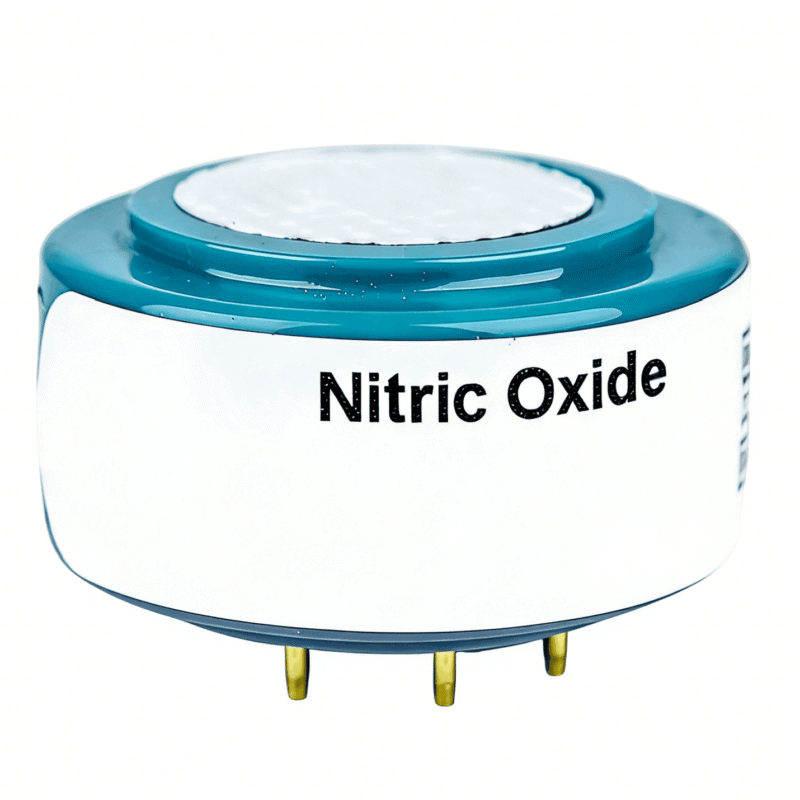
High-Precision Nitric Oxide (NO) Sensor – Real-Time Gas Detection for Industrial & Environmental Applications
What is Nitric Oxide (NO) Sensor
Nitric Oxide (NO) Sensor is a compact, high-precision electrochemical device designed for real-time monitoring of NO gas in environmental, industrial and medical-related applications. It delivers accurate low‑ppm measurements to help users control emissions, protect worker health, and maintain process stability, addressing pain points such as lack of reliable low‑concentration detection and frequent recalibration.
Compared with generic gas detectors, this NO sensor features high selectivity, low cross‑sensitivity, and stable output, making it suitable for integration into emission analyzers, air quality monitors, combustion control systems and portable gas detectors. Its small footprint, low power design and standard electrical interface allow fast integration into OEM instruments, IoT devices and data logging systems.
Factory‑calibrated and optimized for long‑term stability, the Nitric Oxide Sensor helps engineers and system integrators shorten development cycles while maintaining dependable NO measurement in demanding environments.
Advantages of Nitric Oxide (NO) Sensor
High‑precision electrochemical sensor for accurate NO gas detection in low ppm range
Typical measurement range: 0–20 ppm / 0–100 ppm (optional higher ranges for industrial use)
High sensitivity with low detection limit to meet environmental and occupational standards
Excellent selectivity to NO with minimized cross‑interference from common gases
Fast response and recovery time for real‑time process and safety monitoring
Low power consumption, ideal for portable, battery‑powered and IoT devices
Compact module design for easy integration into analyzers and embedded systems
Factory calibrated for consistent output and reduced on‑site calibration workload
Long‑term stability with low drift to reduce maintenance cost
RoHS compliant and suitable for global B2B/OEM distribution
Nitric Oxide (NO) Sensor Specifications
Typical Applications of Nitric Oxide (NO) Sensor
Environmental & Emission Monitoring
Ambient NO/NOx monitoring stations
Vehicle exhaust and stack emission analyzers
Urban air quality monitoring systems
Industrial Process & Safety
Combustion control and boiler efficiency optimization
NO monitoring in chemical plants and power plants
Industrial flue gas and denitrification (DeNOx) systems
Laboratory & Research
NO measurement in scientific experiments and gas analysis instruments
Test benches for engines and combustion research
Teaching and demonstration equipment in universities
Medical‑Related & Bioscience
NO monitoring modules for breathing analysis equipment (e.g. exhaled NO, research use)
Cleanroom and hospital ventilation monitoring (supporting NO/NOx assessment)
IoT & OEM Integration
Smart building and HVAC monitoring gateways
Wireless environmental sensor nodes
Portable multi‑gas detectors and data loggers
FAQ
1. What does a Nitric Oxide (NO) sensor detect and why is it important?
A Nitric Oxide (NO) sensor precisely measures NO gas concentrations, starting as low as 0.01 ppm, making it essential for industrial emissions compliance, worker safety in chemical plants, and combustion efficiency monitoring. Accurate NO detection prevents health hazards and costly fines from undetected NOx accumulation in industrial or urban environments.
2. How accurate is the NO sensor compared to standard gas analyzers?
High-precision NO sensors provide ±2% full-scale (F.S.) accuracy with 0.01 ppm resolution, outperforming basic detectors. This ensures reliable low-ppm readings, eliminating false negatives in environmental monitoring, process control, and emission tracking.
3. Does the NO sensor experience cross-interference with other gases?
Electrochemical NO sensors are designed for minimal cross-sensitivity (<1%) to O₂, CO, and NO₂ under standard operating conditions. This ensures NO-specific readings in complex industrial flue gas environments, preventing false alarms common with multi-gas detection systems.
4. How often does the NO sensor require calibration?
Factory-calibrated NO sensors typically have <2% drift per month. For most industrial applications, field zero/span calibration every 6–12 months is sufficient. This reduces downtime and maintenance costs compared to sensors that require monthly recalibration.
5. What is the expected lifespan of a Nitric Oxide sensor in harsh environments?
Industrial-grade NO sensors typically last 24–36 months, even in environments from -20°C to +50°C with moderate NO exposure. This long service life minimizes replacement frequency and ensures reliable monitoring in demanding conditions.
6. Can the NO sensor integrate with existing PLC or SCADA systems?
Yes. Most NO sensors support standard 4–20 mA or RS485 Modbus outputs, allowing seamless integration with Siemens, Allen-Bradley, or other industrial PLCs and SCADA platforms. No custom programming or additional signal converters are required.
7. Is the sensor suitable for outdoor or high-humidity monitoring?
With IP65-rated housing and operation from 15–90% RH, NO sensors can withstand outdoor conditions and high-humidity flue gas environments. Proper sampling and filtration further prevent corrosion or water condensation issues.
8. Are higher NO concentration ranges available for power plant stacks?
Yes. Many NO sensors can be customized for 0–1000 ppm or 0–2000 ppm ranges while maintaining fast response times (<30 seconds). Contact the manufacturer for application-specific calibration to meet precise emissions monitoring requirements.
Related Gas Sensor Products
In addition to NO sensors, we offer a full range of gas sensors for different monitoring requirements:
Friendly Link: