



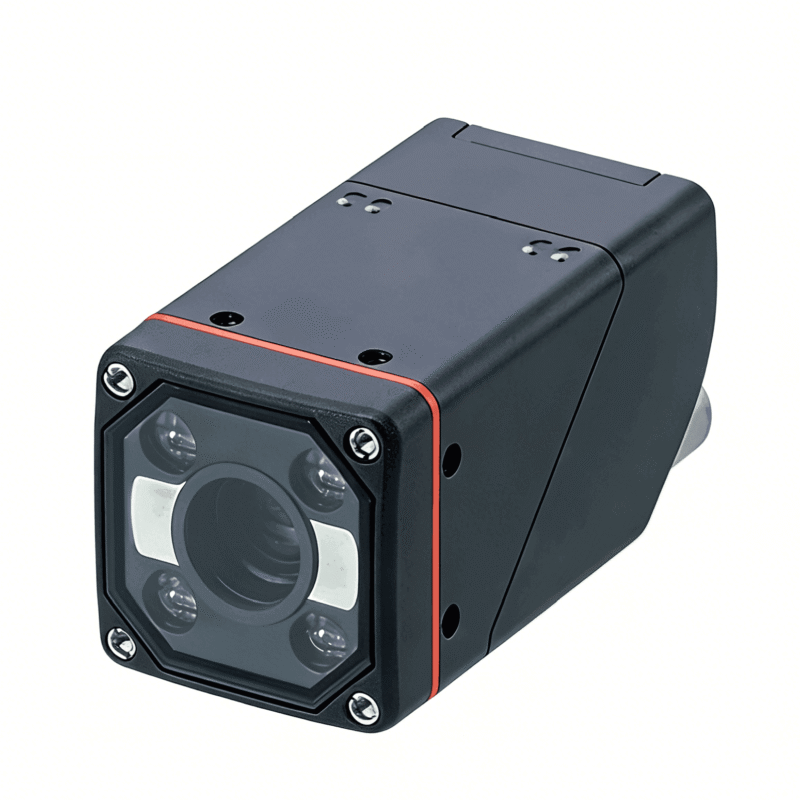
2D Vision Sensor – High‑Precision Visual Detection for Smart Automation & Robotics
Product Description
The 2D Vision Sensor is an intelligent, high‑performance optical sensing device designed for precise detection, measurement, and positioning in industrial, robotics, and smart automation environments. With advanced imaging algorithms and a powerful embedded processor, it captures real‑time 2D visual data to identify objects, measure dimensions, and ensure quality inspection with exceptional accuracy.
Featuring plug‑and‑play integration, this sensor easily connects to industrial controllers, IoT gateways, or PCs via standard communication protocols. Its compact body, robust housing, and fast response time make it an ideal solution for manufacturing lines, robotic guidance, packaging automation, and smart quality control systems. Combining intelligent vision with reliability, the 2D Vision Sensor helps users reduce manual inspection costs while improving efficiency and precision.
Advantages of 2D Vision Sensor
High‑resolution imaging for precise detection and measurement
Intelligent edge processing for real‑time object analysis
Wide field of view and high frame rate for dynamic applications
Easy integration with PLCs, industrial robots, and IoT platforms
Configurable detection zones and pattern recognition settings
Compact, durable housing for harsh industrial environments
Plug‑and‑play setup with intuitive software interface
Supports multiple output formats (Ethernet, RS‑485, I/O)
Low latency and fast response for real‑time control
Maintenance‑free design with long service life
2D Vision Sensor Specifications
Typical Applications of 2D Vision Sensor
Industrial Automation
Object positioning, dimension, and orientation detection
Conveyor belt inspection and sorting automation
Robotics & Assembly Lines
Robot guidance for pick‑and‑place operations
Optical part detection and defect identification
Smart Factories & IoT Systems
Quality inspection and automated process tracking
Integration with MES and predictive maintenance platforms
Packaging & Logistics
Barcode, label, and surface analysis
Object counting and alignment correction
DIY & Research Projects
Vision‑based robotics prototypes and machine vision experiments
FAQ
1. What is a 2D vision sensor used for?
The sensor captures and analyzes flat images to identify objects, detect defects, read barcodes, and verify assembly accuracy in automated manufacturing systems.
2.What is the main difference between a 2D vision sensor and a 3D vision sensor?
A 2D vision sensor captures flat images and analyzes features such as shape, pattern, color, and barcodes on a two-dimensional surface.
A 3D vision sensor, on the other hand, measures depth information and creates a three-dimensional representation of objects. This allows it to determine height, volume, and spatial position.
In simple terms, 2D sensors analyze images, while 3D sensors analyze depth and geometry.
3. Can a 2D vision sensor read barcodes and QR codes?
Yes. Our industrial 2D vision sensors support 1D barcode and 2D QR code reading, making them suitable for logistics tracking and product identification.
Related Vision Sensor Products:
You may also be interested in the following vision sensors for automation and smart systems:
| Smart Vision Sensor |
| Machine Vision Sensor |
| Color Vision Sensor |
| 3D Vision Sensor |
| AI Vision Sensor |
| Robotic Vision Sensor |
| Dynamic Vision Sensor |
| Stereo Vision Sensor |
| CMOS Image Sensor |
Friendly Link: