


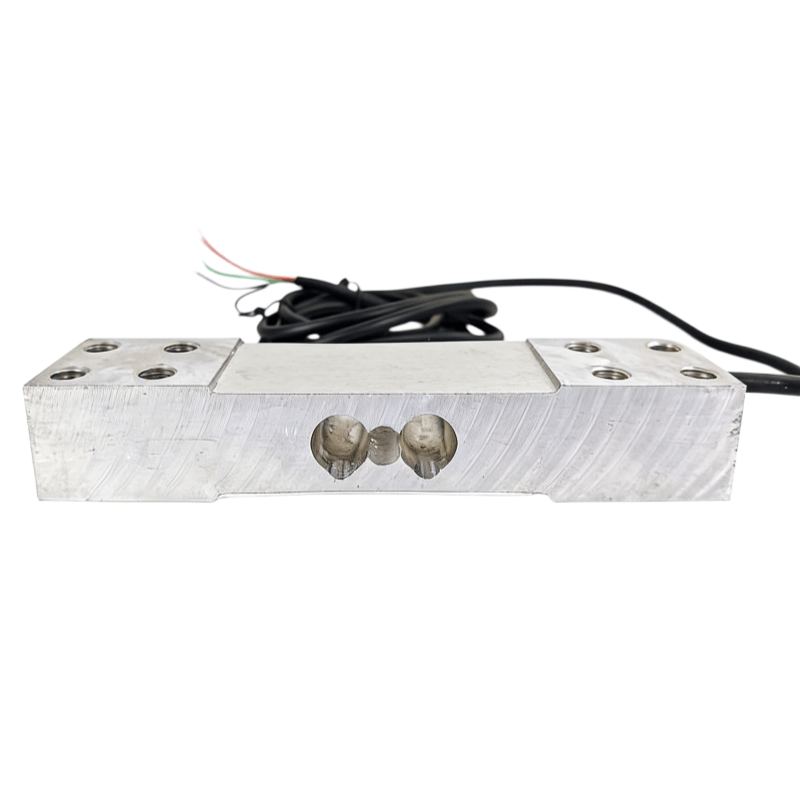
Digital Load Cell – High Accuracy, Smart Weighing Sensor for Industrial Automation & IoT Systems
Product Description
The Digital Load Cell is an advanced weighing and force measurement sensor designed for modern industrial environments, automation systems, and IoT applications. Unlike traditional analog load cells, it integrates a built-in analog-to-digital converter and digital signal processing (DSP) unit, delivering stable, accurate, and noise-free output directly through digital interfaces.
Ideal for smart weighing systems, industrial control, logistics automation, and high-precision manufacturing lines, this digital load cell ensures fast data transmission, simplified installation, and minimal calibration effort. As a factory-direct manufacturer, we offer OEM/ODM customization, reliable supply capacity, and strict quality control.
Advantages of Digital Load Cell
Integrated digital circuit for stable and precise signal output
High measurement accuracy with built-in temperature compensation
Direct digital output (RS485 / Modbus / CAN / UART available)
Fast response and real-time data transmission for automation systems
Factory-calibrated and ready for plug-and-play installation
Excellent anti-interference and long-term stability in industrial environments
Compact design for flexible installation and OEM integration
Compatible with PLC, IoT gateways, and industrial terminals
Suitable for multi-point weighing systems and dynamic measurement
Manufacturer direct supply, OEM & customization support available
Digital Load Cell Specifications
Typical Applications of Digital Load Cell
Industrial Automation & Machinery
Industrial robot grip force control
Packaging and process weighing
Assembly line load monitoring and automation feedback
Smart Weighing Systems
Electronic scales and industrial weighing platforms
Dynamic weighing conveyors and batching systems
Truck scales and floor scales with digital output
IoT & Data-Driven Industries
Smart manufacturing and factory IoT integration
Remote weight monitoring via gateways or cloud platforms
Predictive maintenance and performance analytics
Logistics & Material Handling
Automated storage and retrieval systems (AS/RS)
Pallet and forklift weighing systems
Container and cargo force monitoring
FAQ
1. What’s the difference between a digital and analog load cell?
Digital load cells have built-in signal processing, providing direct digital output without external amplifiers. This reduces noise, improves accuracy, and simplifies installation.
2. Can the sensor connect directly to PLC or IoT gateways?
Yes. Our digital load cells support RS485, Modbus RTU, CAN, or UART protocols, which integrate easily with PLCs and IoT devices.
3. Is OEM or ODM customization available?
Absolutely. We provide custom load capacities, materials, output protocols, and branding based on your system requirements.
4. How accurate are your digital load cells?
Typical accuracy ranges from ±0.02% F.S. to ±0.05% F.S. depending on the model and application.
5. How is the calibration handled?
Each unit is fully factory-calibrated and temperature-compensated, minimizing the need for field calibration.
6. What’s the typical communication distance for RS485 or Modbus connection?
Up to 1200 meters depending on cable quality and environment, ideal for industrial setups.
7. Can it be used in harsh environments?
Yes, IP65/IP67-rated models are available for moisture, dust, and vibration protection.
8. What industries typically use digital load cells?
Industries like manufacturing, packaging, logistics automation, food processing, construction machinery, and facility IoT systems widely adopt them.
Related Load Cell Products
Friendly Link: