















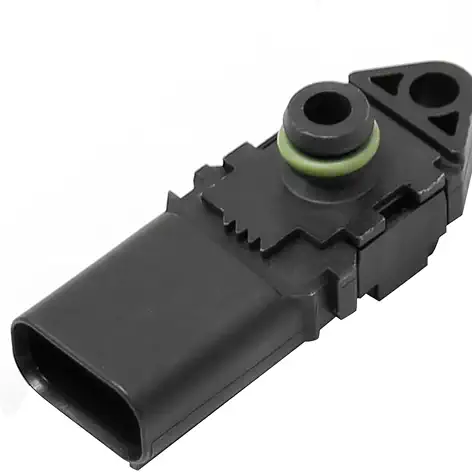
Crankcase Pressure Sensor – High‑Precision Engine Pressure Sensor for Blow‑By Monitoring, Emission Control & Engine Health Management
Product Description
Crankcase pressure sensors are high‑accuracy sensing devices designed to measure the dynamic pressure inside an engine’s crankcase and ventilation system.
Our sensors provide real‑time pressure data to the engine control unit (ECU), enabling advanced monitoring of blow‑by gas flow, oil mist control, and emission management. Engineered for long‑term stability and resistance to oil, fuel vapors, and vibration, they help optimize engine efficiency, protect seals and gaskets, and support compliance with modern emission regulations.
Advantages of Crankcase Pressure Sensor
High sensitivity and accuracy for precise crankcase and ventilation pressure monitoring
Excellent oil, gas, and temperature resistance for harsh under‑hood environments
Long‑term stability under pulsating pressure and high vibration conditions
Fast response for real‑time blow‑by and leak detection
Integrated temperature compensation ensuring stable output
Compact, sealed design compatible with common automotive connectors
Analog or digital output options for direct ECU integration
RoHS, REACH, and AEC‑Q100 compliant for global automotive OEM requirements
Crankcase Pressure Sensor Specifications
| Parameter | Specification |
|---|---|
| Sensor Type | Engine Crankcase Pressure Sensor |
| Pressure Range | −50 kPa to +50 kPa (customizable) |
| Output Type | Analog (0.5–4.5 V), Digital (SENT / CAN optional) |
| Accuracy | ±0.5%FS to ±1.0%FS (typical) |
| Response Time | ≤2 ms |
| Operating Temperature | −40°C to +150°C |
| Fluid Compatibility | Oil, fuel vapor, blow‑by gases, and exhaust condensate |
| Supply Voltage | 5 V (nominal) |
| Current Consumption | ≤5 mA |
| Construction Material | Stainless steel / ceramic sensing element with sealed housing |
| Connector Type | Automotive sealed connector (M12 / Delphi / OEM type) |
| Protection | IP67–IP69K, resistant to oil and engine vibration |
| Temperature Compensation | Integrated, digitally calibrated output |
| Compliance | RoHS, REACH, CE, AEC‑Q100 qualified |
Typical Applications of Crankcase Pressure Sensor
Automotive Engines & Powertrains
Crankcase blow‑by pressure monitoring for engine health diagnostics
PCV (Positive Crankcase Ventilation) system control and emissions optimization
Early detection of turbo seal leakage or gasket damage
Diesel & Commercial Vehicles
Heavy‑duty engine monitoring for oil mist management and reduced emissions
Diagnostics and predictive maintenance for powertrains under load
Industrial Engines & Generators
Pressure control in stationary engines, compressors, and generator sets
Reliability improvement for long‑running industrial power units
Motorsport & Performance Applications
Real‑time crankcase pressure analysis for race engine optimization
Engine sealing performance evaluation during high‑load operation
Related Products:
Friendly Link: