


Melt Pressure Transducer

Melt Pressure Transducer
Key Features
- Measures from 0 to 5000 PSI, providing flexibility for various extrusion and molding applications
- Operating temperature range from -40°C to 200°C, ideal for extreme melt pressure environments
- 316L stainless steel housing and ceramic diaphragm for maximum durability in high-pressure and high-temperature environments
- Response time of <1ms, ensuring real-time feedback and precise control
- ±0.5% FS accuracy for accurate measurements in continuous manufacturing processes
- Standard 4-20mA or 0.5-4.5V analog output for seamless integration with PLCs, control systems, and SCADA
- Corrosion-resistant materials make it perfect for applications with aggressive chemicals or hot polymers
- Low-cost maintenance due to the robust design—reduces the need for frequent replacements
- Compact, non-invasive design minimizes disruption to your production line
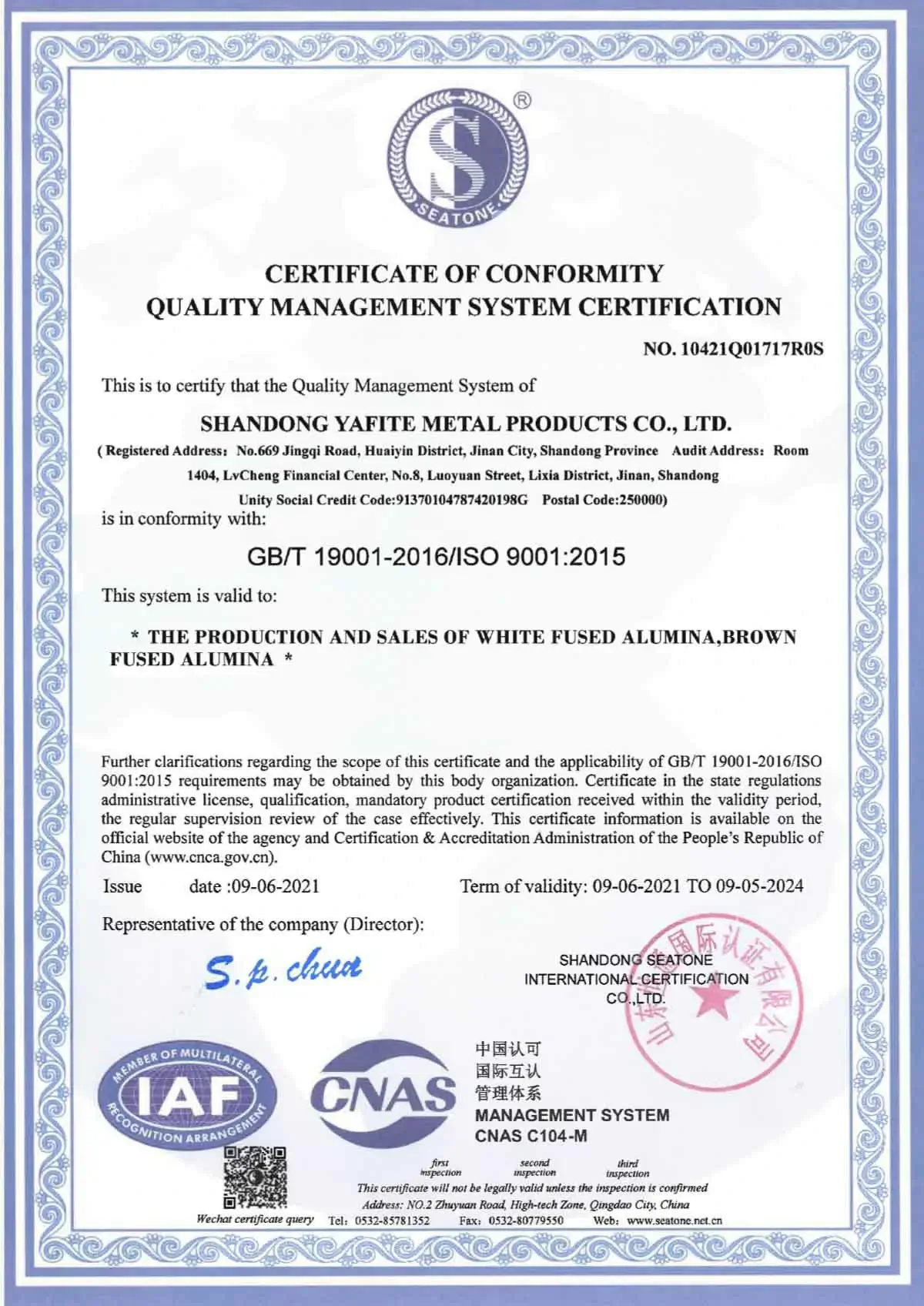
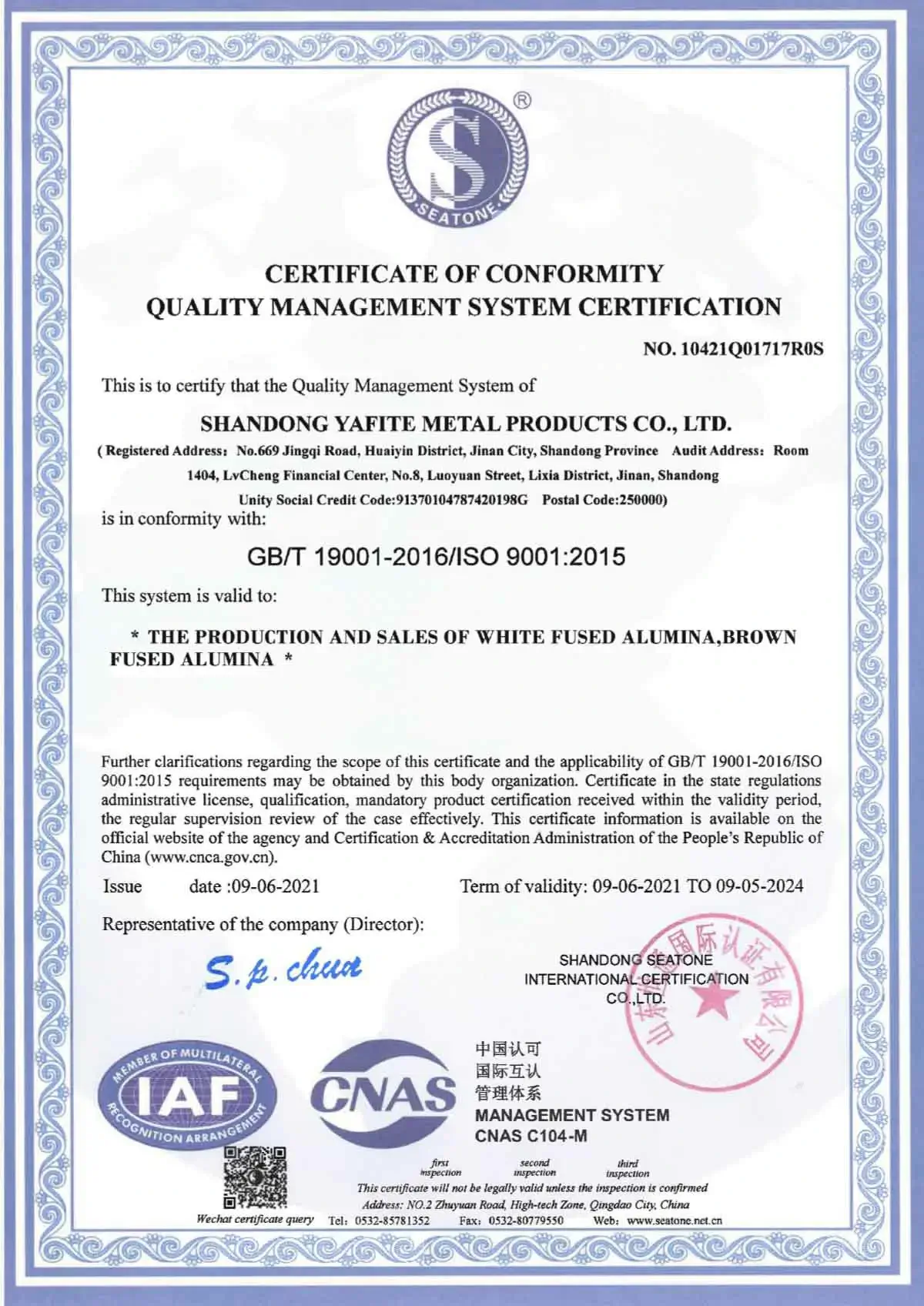
- Manufactured to meet ISO 9001 standards, ensuring consistent quality and reliability
- sales@connector-sensor.com
- +86 15120067961
- Cable Assemblies9 products
- Connectors126 products
- Sensors121 products
- Automotive Sensors11 products
- Position Sensors1 product
- Proximity Sensors1 product
- Flow Sensors9 products
- Force Sensors21 products
- Gas Sensors18 products
- Photoelectric Sensors14 products
- Pressure Sensors19 products
- Temperature and Humidity Sensors3 products
- Temperature Sensors24 products
- Vision Sensors10 products
- IMU Sensor1 product
- Optoelectronic Modules1 product
Melt Pressure Transducer | High-Temperature Pressure Sensor for Extruders & Plastic Injection Molding
Melt pressure transducers, also called melt pressure sensors, or melt pressure transmitters, are designed for high-precision monitoring of melt pressure in extruders and injection molding systems. Our sensors ensure optimal performance and quality control, reducing downtime in your production processes.
With an industry-leading 0-5000 PSI measurement range and high-temperature resistance, our melt pressure sensors can handle extreme operating conditions. They are ideal for industries such as automotive, packaging, construction, and consumer goods manufacturing, ensuring smooth production line operation.
Product Description
Melt pressure sensor is a high-precision, high-reliability device specifically designed to measure pressure during melting processes. It serves as a critical tool in applications such as plastic extrusion, injection molding, and blow molding. By measuring melt pressure, you can ensure that the molten material remains in an optimal state, thereby enhancing final product quality and boosting production efficiency.
Our reliable melt pressure sensors utilize advanced piezoresistive technology and ceramic diaphragms to deliver stable, precise readings—even under extreme pressure and temperature conditions. Easily integrated into existing control systems, these sensors provide real-time data that empowers operators to dynamically monitor and adjust process parameters.
Benefits of Melt Pressure Transducer
- Increase Production Efficiency
Accurate pressure measurements help optimize the extrusion and molding process, improving yield and reducing defects.
- Prevent Equipment Damage
Monitoring melt pressure in real-time prevents damage to expensive machinery like extruders and injection molds by detecting overpressure conditions early.
- Reduce Downtime
Early detection of abnormal pressure helps prevent system failures and costly downtimes, ensuring continuous production.
- Ensure Consistent Product Quality
Continuous melt pressure monitoring ensures consistent quality in your molded or extruded products, meeting the tight tolerances demanded by your clients.
- Cost-Effective Solution
Compared to other high-end industrial sensors, this melt pressure transducer offers the same precision at a fraction of the cost.
Melt Pressure Transducer Specifications
| Parameter | Specification |
|---|---|
| Pressure Range | 0-5000 PSI (custom ranges available) |
| Output Signal | 4-20 mA or 0.5-4.5 V analog |
| Accuracy | ±0.5% FS |
| Operating Temperature | -40°C to 200°C |
| Material | 316 L Stainless Steel, Ceramic Diaphragm |
| Electrical Connection | 3-wire or 2-wire options |
| Overpressure | 1.5 x full scale |
| Response Time | <1 ms |
| Wetted Materials | Stainless Steel, Ceramic, Polyurethane |
| Ingress Protection | IP 67 (dustproof, waterproof) |
| Cycle Life | >10 million cycles |
| Pressure Calibration | Factory calibrated, user-adjustable |
| Power Supply | 24 V DC (for 4-20 mA output) |
Use of Melt Pressure Transducer
Automotive Manufacturing
- Monitoring melt pressure in plastic parts used in automotive interiors, exteriors, and engines.
Plastic & Packaging Industry
- Extrusion lines for packaging films, containers, and plastic bottles.
- Blow molding of bottles, containers, and other plastic goods.
Construction
- Production of PVC pipes, windows, and doors using plastic extrusion systems.
Consumer Goods Manufacturing
- Production of plastic consumer goods such as toys, kitchenware, and electronic housings.
Medical Devices
- Monitoring melt pressure in the manufacturing of medical plastic components like syringes, IV bags, and other disposable medical products.
Custom Manufacturing Solutions
- Integrating with custom molding systems for specific product designs in various industries.
FAQ
1. What is a melt pressure transducer used for?
A melt pressure transducer monitors melt pressure during extrusion and injection molding. It helps maintain stable processing conditions, improve efficiency, and protect machinery from potential damage.
2.Why is melt pressure monitoring important?
Melt pressure directly impacts product quality, consistency, and equipment performance. By monitoring it in real time, you can maintain optimal material flow, reduce defects, and avoid costly equipment failures.
3. How does the melt pressure transducer work?
The sensor measures pressure using a ceramic diaphragm. As pressure increases, the diaphragm deforms slightly. The system then converts this change into a proportional electrical signal for accurate monitoring.
4. Can this sensor be integrated into an existing system?
Yes, you can easily integrate the transducer into your system. It provides 4–20 mA or 0.5–4.5 V analog outputs, making it compatible with PLC, SCADA, and other industrial control systems.
5. What is the maximum pressure the sensor can measure?
The sensor measures pressures up to 5000 PSI. If your application requires a different range, custom options are also available.
5. How durable is this melt pressure sensor?
The sensor features a 316L stainless steel housing and a ceramic diaphragm, ensuring excellent durability. It withstands high pressure and temperature conditions and supports a lifecycle of over 10 million cycles.
6. What industries use melt pressure transducers?
Many industries rely on melt pressure transducers, including automotive, packaging, construction, consumer goods, and medical device manufacturing.
7. How do I install this melt pressure sensor?
You can install the sensor quickly thanks to its compact design and standard threaded connections. It fits easily into extruders, injection molding machines, and vacuum systems.
Related Products:
Send Message to get Datasheet.
Strict Production Process
Engineers develop optimized electronic circuits and structural designs based on real application needs.
High-quality components and materials are carefully selected from trusted suppliers to ensure long-term reliability.
Automated SMT and precision soldering technologies are used to build stable and high-performance circuit boards.
Sensor elements or connector terminals are assembled with the PCB and housing to ensure accurate operation and strong mechanical stability.
Each product undergoes strict calibration and functional testing to guarantee accuracy and stable performance.
Every unit is carefully inspected, labeled, and securely packaged to ensure it arrives safely and performs reliably for your applications.
Strict Production Process of Yafeite