


Oven Temperature Sensor

Oven Temperature Sensor
Key Features
Wide range -200°C to +1260°C for diverse oven applications
High accuracy ±1.5°C or 0.4% ensures precise temperature control
Fast response time <1s detects rapid changes in dynamic processes
Stainless steel sheath resists corrosion in harsh oven environments
MgO insulation for durability and electrical safety in high heat
Cost-effective alternative to RTDs for bulk industrial deployments
Standard IEC/ANSI compatibility integrates with PLCs seamlessly
Customizable lengths, diameters, fittings for OEM requirements
IP65/IP68 protection withstands steam, dust in food processing
Easy calibration with ice/boiling points minimizes downtime
- sales@connector-sensor.com
- +86 15120067961
- Cable Assemblies9 products
- Connectors126 products
- Sensors121 products
- Automotive Sensors11 products
- Position Sensors1 product
- Proximity Sensors1 product
- Flow Sensors9 products
- Force Sensors21 products
- Gas Sensors18 products
- Photoelectric Sensors14 products
- Pressure Sensors19 products
- Temperature and Humidity Sensors3 products
- Temperature Sensors24 products
- Vision Sensors10 products
- IMU Sensor1 product
- Optoelectronic Modules1 product
Oven Temperature Sensor Compatible with Whirlpool, GE, Samsung, LG
Our oven temperature sensor is a reliable replacement part designed to help restore accurate temperature control in a wide range of ovens. It is compatible with many major appliance brands and models, making it a practical solution for oven repair, maintenance, and replacement.
Built for stable performance, our sensor helps your oven deliver consistent heating results for baking, roasting, and everyday cooking. Whether you are replacing a faulty part or upgrading your appliance, our oven temperature sensor offers dependable operation and broad compatibility.
Main Types Of Oven Temperature Sensor
Our oven temperature sensors are designed for broad compatibility and reliable replacement performance. They are suitable for many major oven brands and help restore accurate temperature control in both residential and commercial appliances.
Compatible with major brands, including:
- Whirlpool
- GE
- Frigidaire
- LG
- Samsung
- Kenmore
- Maytag
- Amana
- Bosch
- JennAir
- KitchenAid
- Thermador
- Dacor
- Hotpoint
- Viking
- Hisense
- Beko
- Siemens
Key Advantages of Oven Temperature Sensor
- Wide range, wide use
Works from low temperatures up to 1260°C, suitable for industrial ovens, HVAC systems, and laboratories—reducing the need for multiple sensor types.
- High accuracy and sensitivity
~41 µV/°C output allows detection of small temperature changes, helping prevent product defects and ensure ISO‑compliant processes.
- Economical and reliable
More cost‑effective than noble‑metal sensors, with lower scrap and maintenance costs in high‑volume production.
- Robust and Durable
Stainless‑steel sheaths (SS304/310 or Inconel 600) resist corrosion and vibration and can operate up to 1100°C in oxidizing atmospheres.
- Fast response and easy integration
Response time t0.5<1 st0.5<1s for dynamic control; standard color coding (yellow/red) simplifies wiring to Omega and Fluke controllers.
- Problem‑solving design
Interchangeable probe tips and easy compatibility with cold‑junction compensation (CJC) help reduce uneven heating, calibration drift, and downtime.
Oven Temperature Sensor Specifications
| Parameter | Specification |
|---|---|
| Sensor type | NTC thermistor oven temperature sensor |
| Resistance at 25°C | 100kΩ (typical, customizable on request) |
| Tolerance at 25°C | ±1% / ±2% (depending on model) |
| Temperature range (operating) | ‑40°C to +300°C |
| Typical accuracy (100–250°C) | ±1–2°C |
| Response time | Fast response to temperature changes |
| Probe material | Stainless steel sheath (durable, corrosion‑resistant, food‑safe) |
| Cable length | Approx. 600 mm (23.6 inches, customizable on request) |
| Cable jacket material | High‑temperature PVC or silicone (depending on model) |
| Connector type | 2‑pin plug / spade connector (standard, compatible with many OEM oven boards) |
| Insulation resistance | ≥100 MΩ (typical, at room temperature) |
| Dielectric strength | ≥500 VAC (typical) |
| Operating voltage (signal side) | Compatible with low‑voltage control boards (typically 3–12 VDC) |
| Mounting style | Standard oven probe design, fits into common oven cavity sensor ports |
Typical Applications of Oven Temperature Sensor
Our Oven Temperature Sensor is designed for reliable, long‑lasting performance in a wide range of heating and cooking applications. Whether you’re repairing a home appliance, upgrading a commercial oven, or building an industrial heating system, this sensor helps you maintain accurate temperature control and improve safety and efficiency.
- Residential ovens & microwaves
Ideal for standard electric ovens, toasters, and countertop microwaves. The sensor provides fast, stable feedback to your oven’s control board, ensuring consistent baking and roasting results while reducing energy waste.
- Commercial kitchens & catering equipment
Suitable for commercial baking ovens, conveyor ovens, and warming cabinets. It helps professional kitchens maintain precise temperature settings for bread, pastries, meats, and pre‑cooked dishes, improving food quality and compliance with food safety standards.
- Industrial ovens & process heating
Used in industrial curing ovens, drying ovens, and heat‑treatment furnaces (e.g., powder coating, electronics manufacturing). The sensor supports tight temperature control, enabling stable process conditions and repeatable product quality over time.
- Repair & replacement parts
As a universal‑style oven temperature sensor, it can replace many common OEM models in home and light‑industrial ovens. DIYers and technicians can easily install it to restore accurate temperature readings and prevent overheating or under‑cooking.
- Smart & controlled systems
Integrates seamlessly with thermostat modules, PID controllers, and PLC‑based systems. Combine it with your control board or automation system to enable remote monitoring, alarm triggers, and data logging for better process optimization.
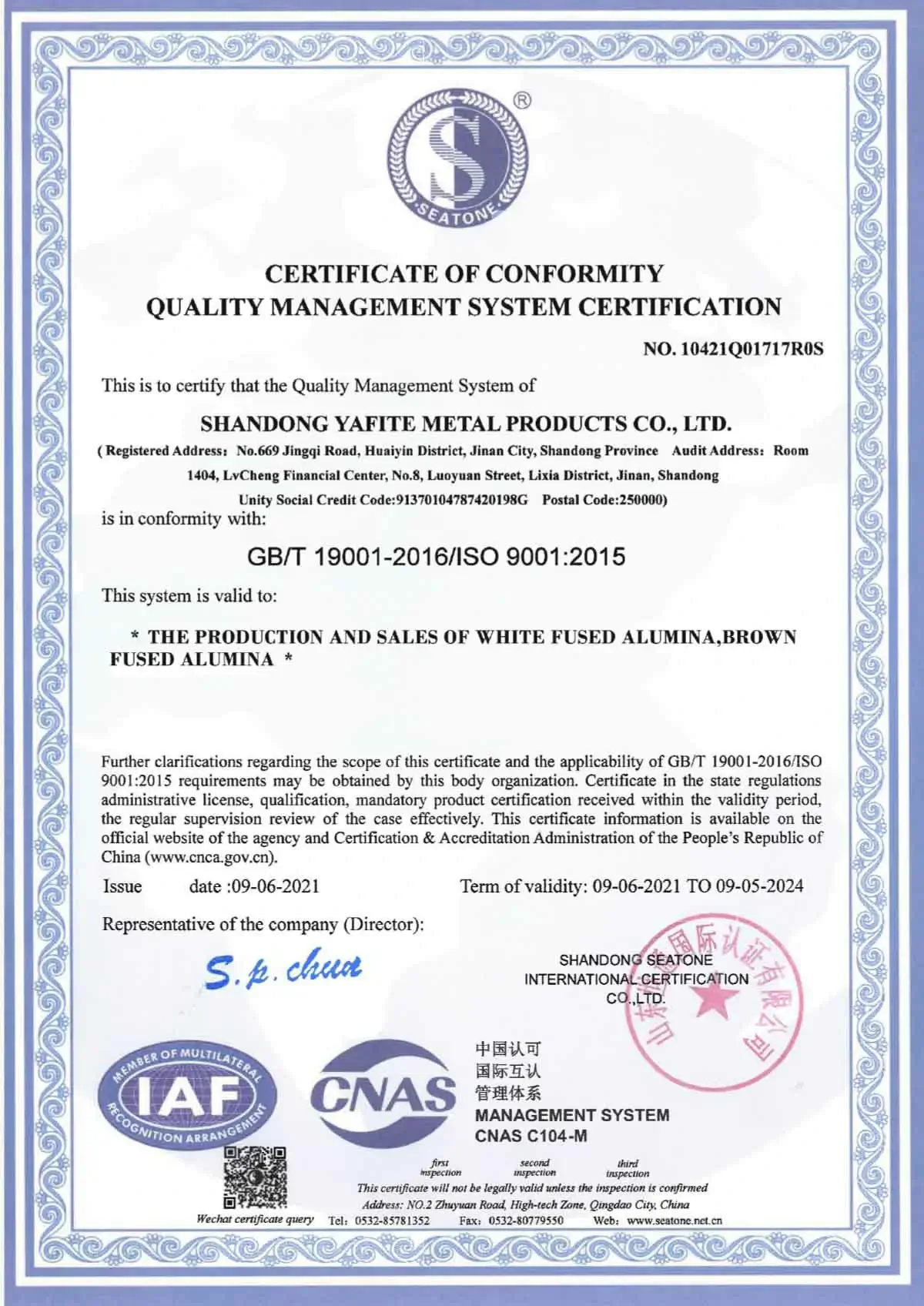
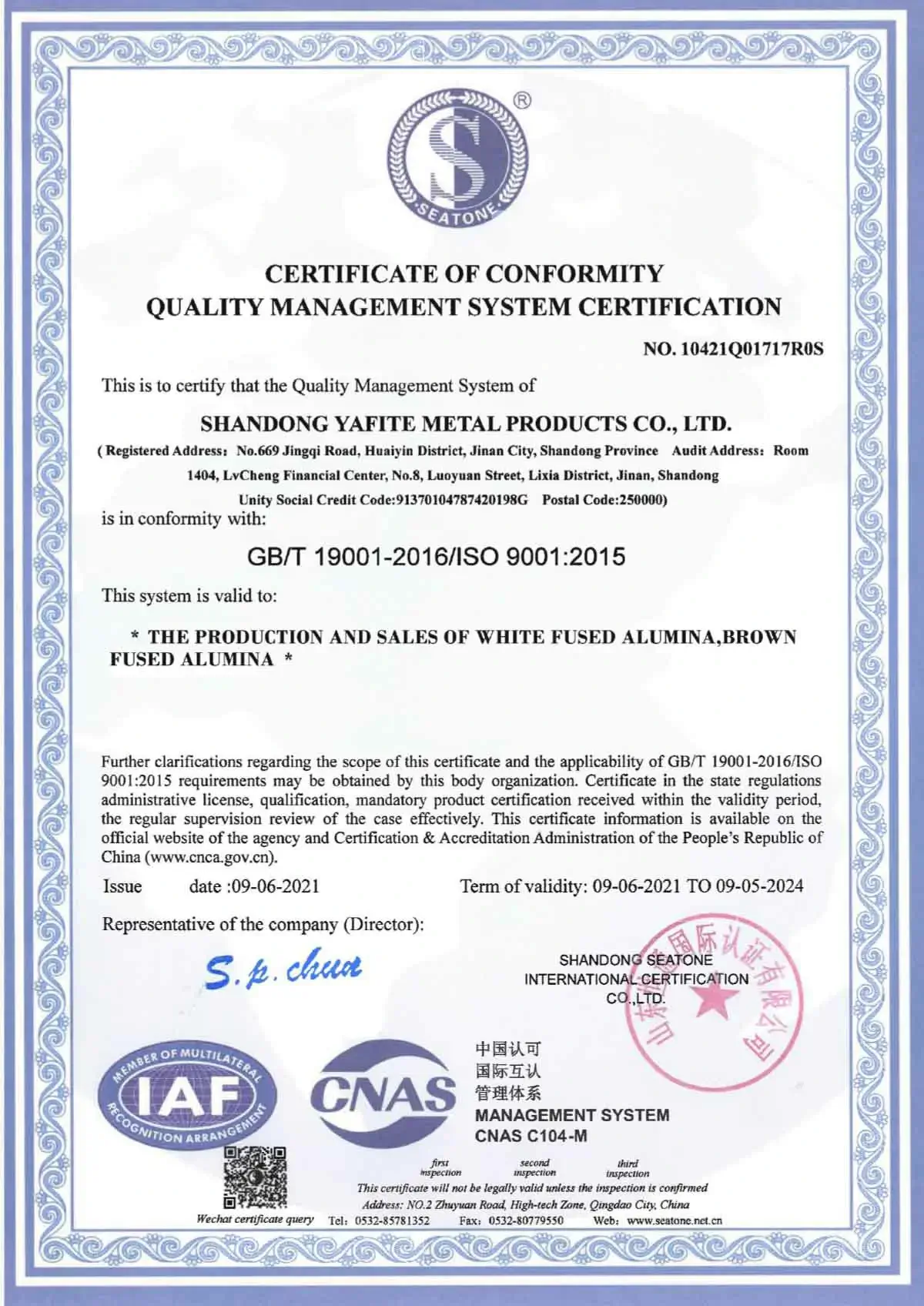
Huada Group – Your Reliable Temperature Sensor Manufacturer
With over 20 years of thermocouple experience, we supply OEM‑grade oven temperature sensors, backed by in‑house production (monthly output > 50,000 pieces) and a scalable supply chain. We offer full customization on probe length, thread type, and connector design to fit your unique integration needs. Sample lead time: 3–7 days. Mass‑production lead time: 7–15 days. Factory‑direct pricing, 12‑hour response, and ISO‑certified quality assure reliable long‑term partnership with global industrial customers.
FAQ
1. Where is the oven temperature sensor located?
Inside most ovens, it is a thin metal rod mounted on the rear wall, near the upper‑left or upper‑right corner and close to the bake or broil element. It typically extends 1–2 inches into the cavity and connects to the control board via a small plastic plug.
2. What are the symptoms of a faulty oven sensor?
Food takes much longer to cook or never reaches the set temperature.
Baking or broiling is uneven (some parts burnt, others underdone).
Oven shows error codes such as F1, F3, F4, F10, E3‑F3, or “sensor/probe fault.”
Heating starts normally but then stops or becomes unstable.
3. Are oven temperature sensors universal?
Not all are fully universal, but many models share the same thermistor value (around 100 kΩ or 1,000–1,100 Ω at room temperature) and similar mounting. Often, a “universal” or “direct‑fit” part matching your brand (Whirlpool, GE, Frigidaire, Samsung, LG, Bosch, etc.) fits your oven model in place of the original‑brand sensor.
4. How much does an oven temperature sensor cost?
Replacement parts usually range from 10 to 40 USD, depending on brand and whether sold as OEM or generic kits. Many replacements from repair parts sites are under 20 USD.
5. How do you replace an oven temperature sensor?
Turn off power at the breaker or unplug the oven.
Open the door and remove the rear inner panel if needed.
Loosen the bracket holding the sensor, disconnect the plug, install the new sensor, re‑secure the bracket, and restore power.
Most replacements take 15–20 minutes with a standard screwdriver.
6. How do you test the sensor with a multimeter?
Turn off power, let the oven cool, and disconnect the sensor plug.
Set the multimeter to 2k/4k Ω and measure between the sensor leads.
At room temperature (~20°C), a good sensor is typically around 1,080–1,100 Ω. If the meter shows “OL,” very high/zero resistance, or no continuity, the sensor is likely faulty.
7. How do you clean the oven sensor?
Turn off power and wait for the sensor to cool.
Gently wipe the metal probe with a soft cloth dampened with mild, non‑abrasive cleaner.
Avoid soaking the connector or plastic plug and never use steel wool, oven‑cleaner sprays, or strong chemicals.
8. Can a bad sensor damage the control board?
A failing sensor usually does not directly destroy the board but can cause the oven to overheat, underheat, or display constant fault codes. The board may cut power or enter a safety lock‑out mode, so it is best to replace a bad sensor quickly.
9. How often should the sensor be replaced?
Oven temperature sensors are long‑life parts and do not need scheduled replacement. Most users replace them only when they see wrong temperatures, longer cooking times, fault codes, or abnormal resistance readings on a multimeter.
Related Products:
| Type B Thermocouple |
| Type C Thermocouple |
| Type E Thermocouple |
| Type J Thermocouple |
| Type N Thermocouple |
| Type R Thermocouple |
| Type S Thermocouple |
| Type T Thermocouple |
Send Message to get Datasheet.
Strict Production Process
Engineers develop optimized electronic circuits and structural designs based on real application needs.
High-quality components and materials are carefully selected from trusted suppliers to ensure long-term reliability.
Automated SMT and precision soldering technologies are used to build stable and high-performance circuit boards.
Sensor elements or connector terminals are assembled with the PCB and housing to ensure accurate operation and strong mechanical stability.
Each product undergoes strict calibration and functional testing to guarantee accuracy and stable performance.
Every unit is carefully inspected, labeled, and securely packaged to ensure it arrives safely and performs reliably for your applications.
Strict Production Process of Yafeite