


RTD Platinum Thin Film Temperature Sensor Element

RTD Platinum Thin Film Temperature Sensor Element
Key Features
- Ultra-thin sensor structure enables easy installation in compact industrial assemblies
- Fast thermal response supports accurate monitoring in dynamic temperature control systems
- Available in Pt100, Pt1000, and custom resistance sensing configurations
- Suitable for surface temperature measurement on metal, plastic, and composite parts
- Flexible or rigid substrate options meet different OEM mounting requirements
- Stable electrical performance ensures reliable long-term industrial temperature monitoring
- Custom cable length, insulation, connector, and lead wire options available
- Designed for battery packs, heaters, electronics, HVAC, and automation equipment
- Low-profile construction helps reduce installation space and assembly complexity
- Factory-direct supply supports bulk orders, customization, and consistent batch quality
- sales@connector-sensor.com
- +86 15120067961
- Cable Assemblies9 products
- Connectors126 products
- Sensors121 products
- Automotive Sensors11 products
- Position Sensors1 product
- Proximity Sensors1 product
- Flow Sensors9 products
- Force Sensors21 products
- Gas Sensors18 products
- Photoelectric Sensors14 products
- Pressure Sensors19 products
- Temperature and Humidity Sensors3 products
- Temperature Sensors24 products
- Vision Sensors10 products
- IMU Sensor1 product
- Optoelectronic Modules1 product
Platinum Thin Film Temperature Sensor Element| Thin Film RTD Element
What is a Thin Film RTD Element
Thin Film Temperature Sensors use a thin conductive or resistive layer deposited onto substrates such as ceramic, polyimide, stainless steel, or flexible film to detect temperature changes.
Their compact design and fast response enable precise and stable temperature monitoring, especially in applications where traditional bulky probes are impractical.
Engineers widely apply these sensors for surface temperature measurement in compact electronic assemblies, battery packs, medical devices, industrial heaters, HVAC systems, and precision process control.
Main Benefits of Thin Film RTD Element
-Fast Response Time
Thin film sensors have low thermal mass, enabling rapid temperature detection and real-time monitoring in dynamic systems.
-Compact and low-profile design
Their ultra-thin structure makes them ideal for tight spaces, compact equipment, and embedded OEM assemblies.
-High Measurement Stability
Built with stable sensing materials and controlled production processes, they provide consistent long-term performance.
-Excellent Surface Temperature Sensing
Perfect for measuring temperatures on flat, curved, or irregular surfaces where insertion probes are not practical.
-Wide Customization Flexibility
Available in different resistance values, dimensions, substrates, lead wire types, and connector configurations.
-Easy Integration Into Industrial Systems
Can be used with temperature controllers, PLCs, DAQ systems, transmitters, and digital monitoring instruments.
-Strong Compatibility with OEM Applications
Suitable for integration into battery modules, heating plates, electronics, automation systems, and thermal assemblies.
-Reliable Insulation and Protection Options
Can be designed with insulation layers, adhesive backing, protective films, or encapsulated cable exits.
-Cost-effective for Volume Projects
A practical solution for large-scale manufacturing and industrial procurement requiring stable quality and repeatability.
-Suitable for Both Rigid and Flexible installations
Can be produced for mounting on metal surfaces, PCB assemblies, pipes, battery cells, and heater elements.
Thin Film RTD Element Specifications
| Parameter | Specification |
|---|---|
| Product Type | Thin Film Temperature Sensor |
| Sensing Principle | RTD / Resistive thin film sensing element |
| Common Resistance Values | Pt100, Pt1000, 10K, custom options |
| Sensor Element Material | Platinum, nickel, or custom resistive film |
| Substrate Materials | Polyimide, ceramic, stainless steel, PET |
| Temperature Range | Typically -50°C to +250°C (customizable by structure) |
| Optional Extended Range | Up to +300°C or higher for special designs |
| Accuracy | Class A / Class B / custom tolerance |
| Response Time | Typically <1 second to a few seconds depending on mounting |
| Sensor Thickness | Ultra-thin design, depending on model |
| Lead Wire Options | PVC, PTFE, silicone, fiberglass, shielded cable |
| Mounting Types | Adhesive, surface mount, clamp, screw, embedded |
| Output Options | Resistance output / optional transmitter output |
| Insulation Type | Electrically insulated thin film structure |
| Protection Options | Moisture-resistant, encapsulated, reinforced cable outlet |
| Connector Options | Bare leads, terminals, plugs, custom connectors |
| Working Environment | Industrial equipment, HVAC, battery systems, medical devices, electronics |
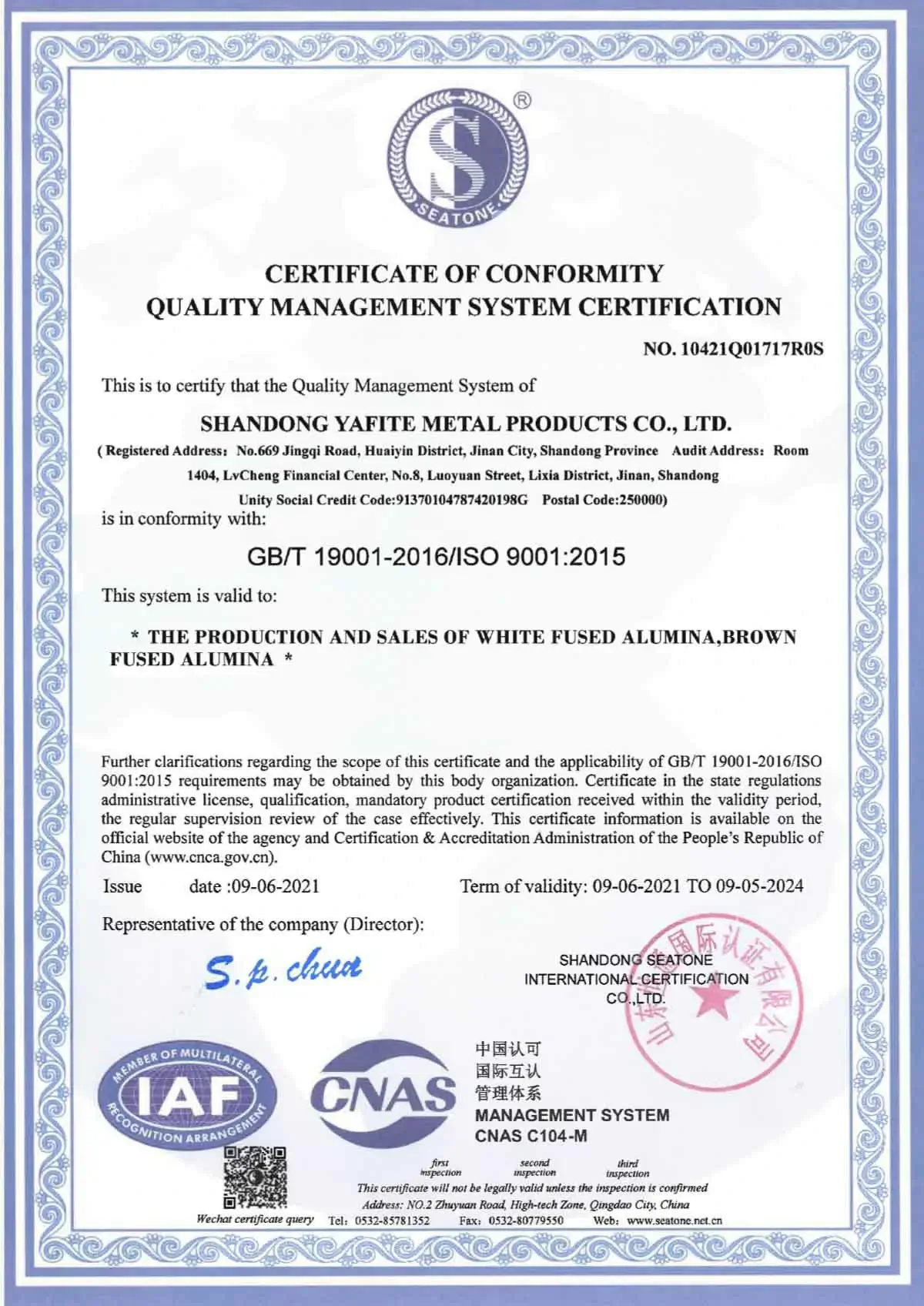
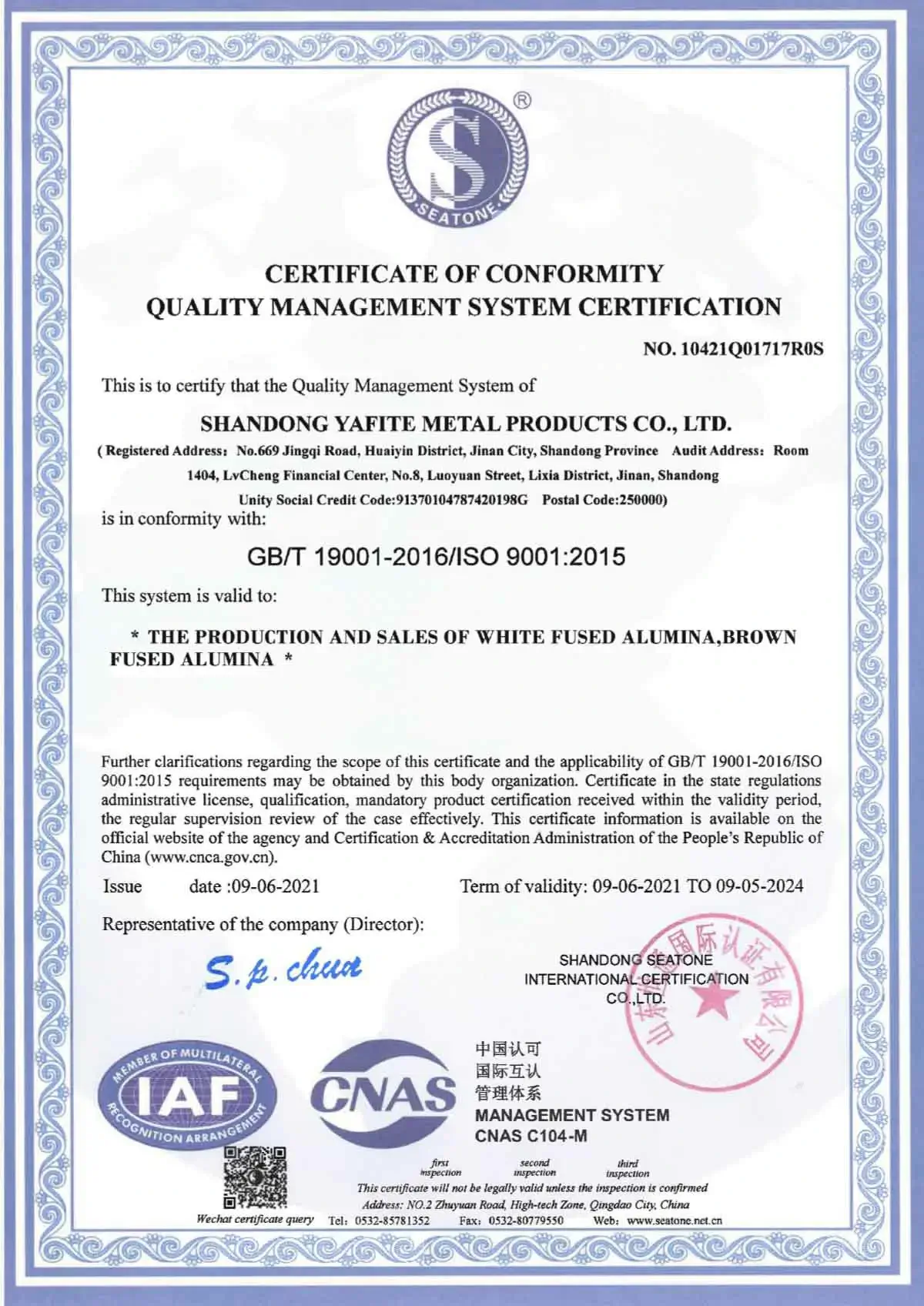
| Certifications | CE, RoHS, ISO 9001 |
| Customization | Full OEM / ODM supported |
Use of Thin Film RTD Element
In Industrial Heating and Thermal Equipment
Thin film temperature sensors are widely used to monitor temperature on heating plates, heating cartridges, industrial hot plates, thermal molds, and process heating surfaces. Their fast response makes them suitable for thermal control systems requiring stable and accurate feedback.
In Battery Packs and Energy Storage Systems
Manufacturers use these sensors to monitor battery cell surface temperature, battery modules, BMS assemblies, and EV energy systems. Their thin profile allows easy integration into compact battery pack structures.
In Electronics and PCB Assemblies
Engineers use thin film sensors for PCB temperature monitoring, semiconductor modules, heat sinks, LED thermal management, and compact electronic enclosures, where conventional probes may be too large.
In HVAC and Refrigeration Systems
HVAC equipment manufacturers use them to detect surface, pipe, coil, or internal equipment temperatures for air conditioning, heating, cooling, and thermal management systems.
In Medical and Laboratory Equipment
Thin film sensors are suitable for medical warming systems, sterilization equipment, laboratory instruments, analyzers, and temperature-sensitive diagnostic equipment where compact installation is critical.
In Food Processing and Packaging Equipment
Food and packaging machine manufacturers use them to monitor sealing jaws, heating bars, rollers, and thermal process zones to ensure process consistency and product quality.
In Automotive and E-Mobility Applications
Automotive OEMs and component suppliers use thin film temperature sensors in seat heating systems, battery modules, thermal control units, charging systems, and compact thermal assemblies.
In Automation and OEM Equipment
They are commonly integrated into industrial automation equipment, control cabinets, process modules, and customized thermal systems, especially where space-saving design is required.
Why Choose Huada as YourThin Film RTD Element Manufacturer
1. Direct factory supply
We are a professional temperature sensor manufacturer with years of experience serving OEM, distributors, system integrators, and industrial equipment brands.
2. Strong customization capability
We support custom dimensions, resistance values, cable length, substrate material, adhesive structure, connector type, and output configuration, helping you shorten development cycles.
3. Stable production and quality consistency
With in-house production and testing capabilities, we ensure consistent batch quality, stable electrical performance, and reliable delivery for long-term supply projects.
4. Fast sample and production support
We understand the urgency of B2B procurement and project validation. Sample production and bulk lead time can be arranged according to your application and order volume.
5. Technical support for OEM integration
Our engineering team can support you with sensor structure selection, installation recommendations, wiring options, and custom project matching.
6. Competitive factory pricing
As a direct manufacturer, we provide cost-effective pricing for wholesale orders, project tenders, and recurring procurement demands.
FAQ
1. What is the difference between a thin film temperature sensor and a standard probe sensor?
Thin film sensors are generally smaller, faster, and easier to integrate into compact assemblies, while standard probe sensors are better suited for immersion or insertion measurements.
2. What temperature range can a thin film temperature sensor measure?
Typical models operate from around -50°C to +250°C, though custom designs may support higher temperatures depending on substrate and structure.
3 . Are thin film temperature sensors suitable for surface temperature measurement?
Yes. Thin film sensors are especially suitable for surface temperature monitoring on metals, plastics, batteries, heating elements, and electronic components.
Related Products:
| Type B Thermocouple |
| Type C Thermocouple |
| Type E Thermocouple |
| Type J Thermocouple |
| Type N Thermocouple |
| Type R Thermocouple |
| Type S Thermocouple |
| Type T Thermocouple |
Send Message to get Datasheet.
Strict Production Process
Engineers develop optimized electronic circuits and structural designs based on real application needs.
High-quality components and materials are carefully selected from trusted suppliers to ensure long-term reliability.
Automated SMT and precision soldering technologies are used to build stable and high-performance circuit boards.
Sensor elements or connector terminals are assembled with the PCB and housing to ensure accurate operation and strong mechanical stability.
Each product undergoes strict calibration and functional testing to guarantee accuracy and stable performance.
Every unit is carefully inspected, labeled, and securely packaged to ensure it arrives safely and performs reliably for your applications.
Strict Production Process of Yafeite